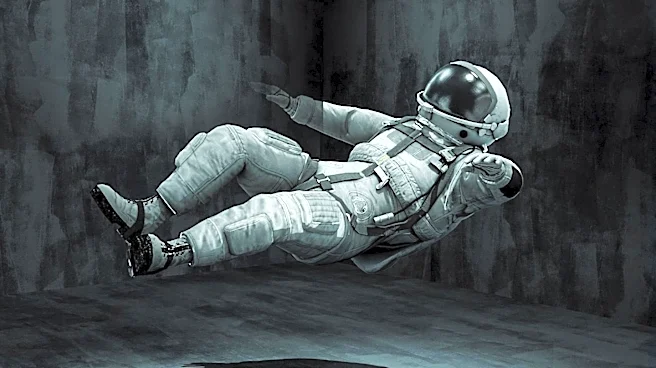








The first mission of Biosphere 2, a two-year endeavor from September 1991 to September 1993, was not only a scientific experiment in ecological engineering but also a profound study of human behavior in extreme isolation. Eight individuals, known as Biospherians, were sealed within the artificial world, tasked with maintaining its delicate balance while living entirely off its resources. This unique situation provided an unprecedented opportunity
to observe the social and psychological impacts of prolonged confinement, revealing both the resilience and vulnerabilities of the human spirit under pressure.
Group Dynamics and Internal Factionalism
Life inside Biosphere 2 quickly demonstrated the challenges inherent in isolated human groups. Drawing parallels to psychological studies of scientists overwintering in Antarctic research stations, it was anticipated that group dynamics would be a significant factor. Indeed, before the first mission was half over, the crew reportedly split into two factions. According to one crew member, Jane Poynter, individuals who had once been close friends became "implacable enemies," barely speaking to each other. This factionalism stemmed from a power struggle and differing views among the joint venture partners on the project's scientific direction, specifically whether to prioritize "biospherics" (holistic ecosystem studies) or more specialized, reductionist ecosystem studies. Despite these deep divisions, medical doctor Roy Walford later acknowledged, "I don't like some of them, but we were a hell of a team. That was the nature of the factionalism... but despite that, we ran the damn thing and we cooperated totally." This suggests a complex interplay of personal animosity and professional necessity.
The Strain of Scarcity and External Pressures
The psychological strain on the Biospherians was undoubtedly compounded by the physical challenges they faced. A calorie-restricted, nutrient-dense diet, coupled with steadily declining oxygen levels, contributed to low morale. The constant struggle to produce enough food, which led to eating emergency seed stocks, added to the pressure. External scrutiny and criticism also weighed heavily on the crew. When an injured member left and returned, allegedly bringing in outside supplies, and when oxygen was injected into the system, the project faced accusations of being a "$150 million stunt" rather than a pure scientific experiment. These external pressures, combined with the internal conflicts and the harsh living conditions, created an environment ripe for tension. Despite these difficulties, psychological examinations of the Biospherians showed no clinical depression, and they fit the profile of explorers and adventurers, scoring similarly to astronauts. This suggests a certain mental fortitude among the participants, even as they navigated the complex social and environmental landscape of their enclosed world.