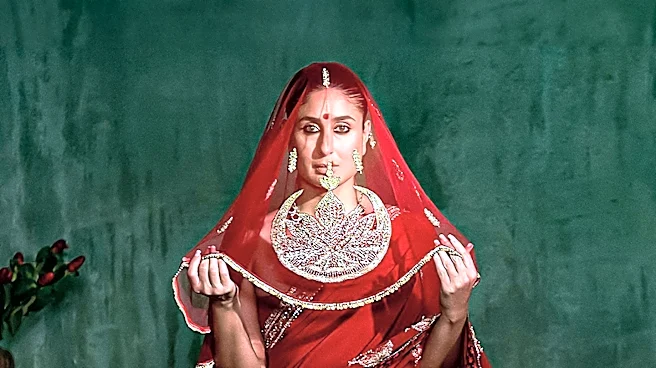











Veils have been a significant part of human history, serving various roles across different cultures and religions. From ancient times to the present day, veils have symbolized modesty, status, and religious devotion. This article explores the historical development of veils and their cultural significance in societies around the world.
Ancient Origins and Cultural Practices
The use of veils can be traced back to ancient civilizations. In Mesopotamia, elite women wore veils as a sign of respectability
and high status. The practice was so ingrained that laws dictated which women could wear veils based on their social class. Similarly, in ancient Greece, respectable women were expected to wear veils to maintain their modesty and seclusion from men.
In Roman society, veils were a symbol of a husband's authority over his wife. Married women wore veils to signify their modesty and chastity. The flammeum, a deep yellow veil worn by Roman brides, was a prominent feature of wedding attire, symbolizing lifelong fidelity. These practices highlight how veils were used to convey social and marital status in ancient cultures.
Religious Significance and Evolution
Veils have played a crucial role in religious practices, particularly in Judaism, Christianity, and Islam. In Christianity, veiling was a common practice for women, symbolizing humility before God. The Apostle Paul emphasized the importance of women covering their heads during prayer, a tradition that persisted for centuries.
In Islam, veiling is associated with modesty and piety. The Quran mentions the jilbab and khimar as garments for women to cover themselves. Over time, veiling became widespread among Muslim women, especially in urban areas. The practice of veiling has evolved, with different styles and interpretations across regions, reflecting the diverse cultural contexts within the Islamic world.
Modern Context and Controversies
In contemporary society, veiling remains a topic of debate and controversy. While some women choose to wear veils as an expression of religious devotion, others face societal pressure or legal mandates. The resurgence of veiling in recent decades has sparked discussions about women's rights, cultural identity, and religious freedom.
In some Western countries, the wearing of veils has become a contentious political issue, leading to debates about secularism and multiculturalism. Despite these challenges, veils continue to be a powerful symbol of cultural heritage and personal identity for many women around the world.
The historical and cultural significance of veils is a testament to their enduring presence in human society. As symbols of modesty, status, and religious devotion, veils have shaped and been shaped by the cultures and religions that embrace them.