


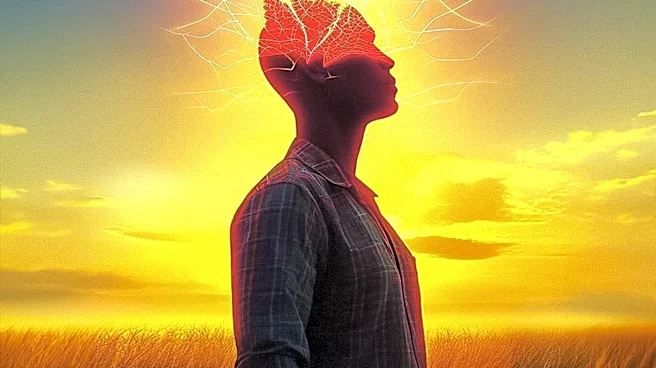
Dream interpretation has been a subject of fascination and study across various cultures and eras. From ancient times to modern psychoanalysis, the quest to understand the meaning behind dreams has evolved significantly. This article delves into the historical journey of dream interpretation, highlighting its cultural significance and the diverse methods employed to decode the messages of the subconscious.
Ancient Roots and Cultural Significance
Dream interpretation can be traced back to
ancient civilizations, where dreams were often seen as messages from the divine or the supernatural. In many cultures, dreams were considered prophetic, offering insights into the future or guidance from the gods. This belief was prevalent in ancient Egypt, Greece, and Rome, where dream interpreters held esteemed positions in society.
In these early societies, dreams were not just personal experiences but communal events that could influence decisions and actions. The interpretation of dreams was a respected practice, often involving rituals and consultations with priests or oracles. This cultural significance underscores the deep-rooted human desire to find meaning and direction through dreams.
The Rise of Psychoanalysis
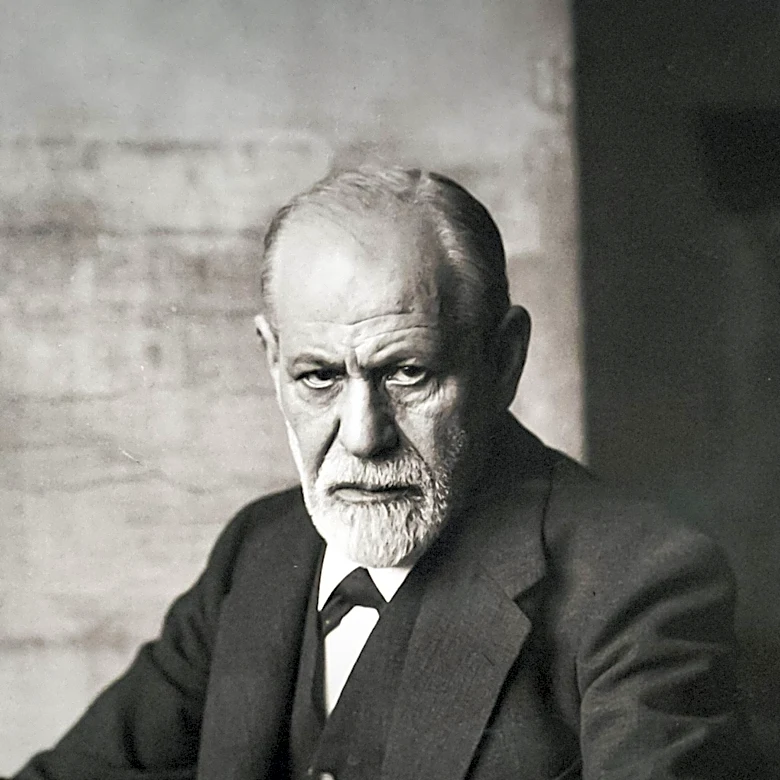
The modern era of dream interpretation began with the advent of psychoanalysis, spearheaded by Sigmund Freud. In his seminal work, "The Interpretation of Dreams," Freud introduced the idea that dreams are a window into the unconscious mind. He proposed that dreams are manifestations of repressed desires and unresolved conflicts, offering a pathway to understanding one's inner psyche.
Freud's approach to dream interpretation involved analyzing the symbolic content of dreams, which he believed were disguised representations of latent thoughts. This method marked a significant shift from the mystical interpretations of the past, grounding dream analysis in psychological theory. Freud's work laid the foundation for future explorations into the subconscious, influencing both psychology and popular culture.
Cultural Variations and Modern Perspectives
Despite the influence of psychoanalysis, dream interpretation continues to vary widely across cultures. In some societies, dreams are still viewed through a spiritual or mystical lens, while others adopt a more scientific approach. This diversity reflects the complex nature of dreams and the myriad ways humans seek to understand them.
In contemporary times, dream interpretation has expanded beyond the confines of psychoanalysis. It now encompasses various disciplines, including neuroscience and cognitive psychology, which explore the biological and cognitive processes underlying dreams. This multidisciplinary approach highlights the ongoing fascination with dreams and the enduring quest to unlock their mysteries.
The evolution of dream interpretation is a testament to humanity's enduring curiosity about the mind and its hidden depths. As our understanding of dreams continues to grow, so too does our appreciation for the rich tapestry of interpretations that have shaped this intriguing field.