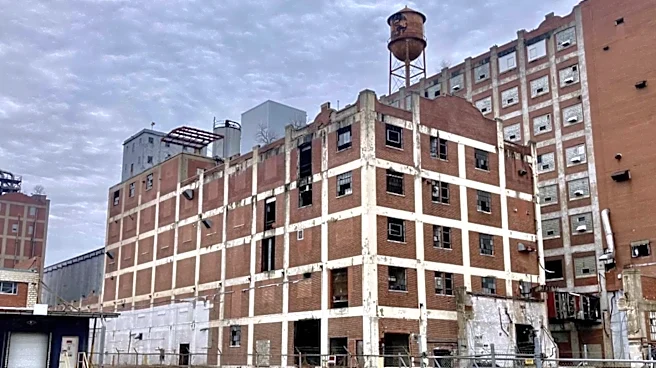









The Brooklyn Navy Yard, once a cornerstone of naval shipbuilding, underwent a significant transformation following its closure in 1966. This change marked a shift from military operations to commercial use, reflecting broader trends in urban redevelopment. The repurposing of the yard has turned it into a vibrant center for industry and innovation, showcasing the adaptability of urban spaces in response to changing economic needs.
The Transition to Commercial Use
After the Brooklyn
Navy Yard was decommissioned, the site was repurposed for commercial use. This transition was part of a larger movement to convert former military installations into spaces that could support economic growth and development. The yard's strategic location near New York City made it an attractive site for commercial enterprises, and efforts were made to attract businesses to the area.
The transformation involved significant renovations and investments to make the site suitable for commercial activities. The city government played a crucial role in facilitating this transition, acquiring the yard for maritime redevelopment. The goal was to create a space that could support a diverse range of industries, from manufacturing to technology.
Economic Impact and Growth
The repurposing of the Brooklyn Navy Yard has had a positive impact on the local economy. The site has become a hub for various industries, providing jobs and opportunities for the community. This shift has helped to revitalize the area, attracting new businesses and investments.
The yard's transformation has also contributed to the broader economic development of Brooklyn. By providing a space for innovation and industry, the yard has become a key player in the region's economic landscape. The success of this transition is a testament to the potential of repurposing former military sites for commercial use.
Challenges and Opportunities
While the transformation of the Brooklyn Navy Yard has been largely successful, it has not been without challenges. The process of converting a military site into a commercial hub required significant investment and planning. Ensuring that the site could support a diverse range of industries was a complex task, requiring collaboration between government agencies and private enterprises.
Despite these challenges, the repurposing of the Brooklyn Navy Yard has created new opportunities for growth and development. The site has become a model for urban redevelopment, demonstrating how former military installations can be transformed into vibrant centers of industry and innovation. The success of the yard's transformation highlights the importance of adaptability and vision in urban planning.
The Brooklyn Navy Yard's journey from a military hub to a commercial center is a story of resilience and innovation. It reflects the changing nature of urban spaces and the potential for growth and development in response to shifting economic needs.