






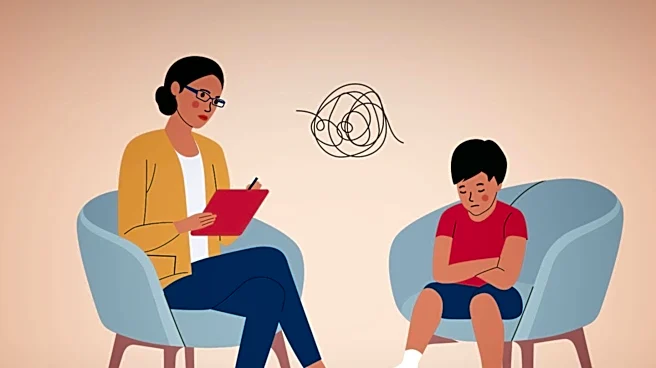



Eating disorders are complex mental health conditions characterized by abnormal eating habits that can severely impact a person's physical and mental health. These disorders include a range of behaviors, from eating too much to eating too little, often accompanied by body image issues. Common types of eating disorders include anorexia nervosa, bulimia nervosa, and binge eating disorder. Treatment typically involves psychotherapy and nutritional counseling.
Types of Eating Disorders
Anorexia nervosa is characterized by an intense fear of gaining weight, leading individuals to restrict their food intake and engage in excessive exercise. This disorder can result in severe weight loss and health complications. Bulimia nervosa involves cycles of binge eating followed by purging to prevent weight gain. Individuals with bulimia may use methods such as vomiting or laxative abuse to purge. Binge eating disorder, on the other hand, involves consuming large amounts of food in a short period, often without hunger, leading to weight gain.
Other eating disorders include pica, where individuals eat non-food items, and rumination syndrome, where food is regurgitated and re-chewed. Avoidant/restrictive food intake disorder (ARFID) involves a limited intake of food due to psychological reasons, leading to nutritional deficiencies.
Causes and Risk Factors
The exact causes of eating disorders are not fully understood, but both biological and environmental factors are believed to play a role. Cultural ideals that emphasize thinness can contribute to the development of these disorders. Additionally, individuals who have experienced sexual abuse or have intellectual disabilities may be at a higher risk. Anxiety disorders, depression, and substance abuse are also common among those with eating disorders.
Genetic factors may also contribute, with certain genes being associated with eating disorders. However, the interplay between genetics and environment is complex and not yet fully understood.
Treatment and Recovery
Treatment for eating disorders can be effective and often involves a combination of counseling, dietary advice, and sometimes medication to address associated symptoms. In severe cases, hospitalization may be necessary. Recovery rates vary, with about 70% of individuals with anorexia nervosa and 50% with bulimia recovering within five years. However, only a small percentage of those with eating disorders receive proper treatment.
Binge eating disorder has a less clear recovery path, with estimates ranging from 20% to 60%. Both anorexia nervosa and bulimia nervosa increase the risk of death, highlighting the importance of early intervention and comprehensive treatment.