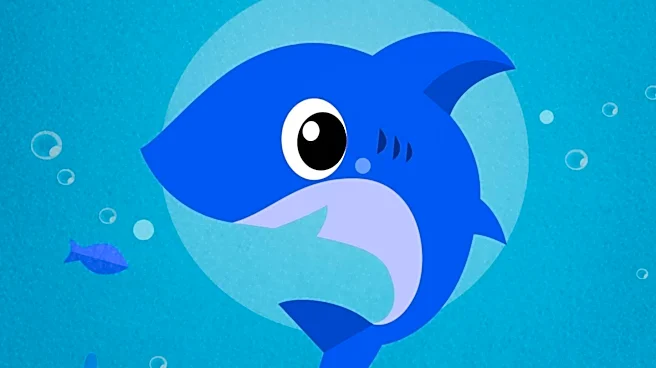








"Baby Shark," a children's song accompanied by a YouTube music video featuring dance movements, achieved unprecedented global popularity through the version released by Pinkfong. Pinkfong, a South Korean entertainment company, launched its viral rendition of the song on June 17, 2016. This version quickly spread across social media, online video platforms, and radio, eventually becoming a cultural phenomenon. Its journey to becoming the most-viewed
YouTube video of all time is a testament to its widespread appeal and the power of digital content.
The song's success on YouTube is marked by a series of impressive milestones. On November 2, 2020, more than four years after its initial upload, Pinkfong's "Baby Shark Dance" amassed over 7.04 billion views, officially surpassing Luis Fonsi's "Despacito" to claim the title of the most-viewed YouTube video. This achievement highlighted its immense reach and sustained engagement with audiences worldwide. The video continued its record-breaking streak, demonstrating its enduring popularity.
Breaking Viewership Records
Pinkfong's "Baby Shark Dance" didn't stop at 7 billion views. It continued to set new benchmarks in YouTube history. On February 23, 2021, it became the first video to exceed 8 billion views. This was followed by another first on July 20, 2021, when it surpassed 9 billion views. The video further solidified its dominance on January 13, 2022, by becoming the first, and at that time, only video to reach an astonishing 10 billion views. These consecutive milestones underscore the song's unparalleled success in the digital realm.
As of August 2026, the "Baby Shark Dance" video had accumulated over 17 billion views, maintaining its position as the most-viewed YouTube video. This incredible number of views illustrates the song's timeless appeal to its target audience and its ability to captivate viewers over an extended period. The consistent growth in viewership years after its release is a remarkable feat in the fast-paced world of online content.
From Viral Sensation to Global Brand
The viral success of Pinkfong's "Baby Shark" extended beyond just YouTube views, transforming it into a global brand. By January 2019, various versions of the "Baby Shark" song collectively garnered more than five billion views, with Pinkfong's original version alone having surpassed two billion views prior to that. This widespread engagement led to the song breaking into the Billboard Hot 100 charts, reaching number 32 during the week of January 7, 2019, a testament to its crossover appeal.
The song's popularity also spurred an online dance craze, often referred to as the "Baby Shark Challenge." This phenomenon was even compared to the global impact of "Gangnam Style." K-pop groups like Blackpink and Red Velvet contributed to its viral spread by performing the song and dance on TV shows and at concerts. The song's influence reached the Western world by August 2018, further cementing its status as a global sensation. The Pinkfong Company, previously known as SmartStudy, has leveraged this success to expand its brand, with "Baby Shark" becoming its most popular series.
Expanding the "Baby Shark" Universe
The success of the "Baby Shark" video led to significant brand expansion and partnerships. In July 2019, Kellogg's collaborated with Pinkfong to introduce a "Baby Shark" cereal, a berry-flavored Froot Loops variant with marshmallows, which was first available at Sam's Club and later at Walmart. This demonstrated the brand's ability to move into consumer products. In March 2020, Pinkfong released an interactive version of the song designed to encourage children to wash their hands properly during the COVID-19 pandemic, showcasing its adaptability and social relevance.
Further solidifying its presence, SmartStudy partnered with the U.S. cable network Nickelodeon in December 2020 to premiere "Baby Shark's Big Show!" This animated television series, aimed at preschoolers, adapted the "Baby Shark" concept for a new medium. In 2024, LG launched the "Baby Shark World for Kids" app on LG Smart TVs in 184 countries, indicating the brand's continued digital expansion and global reach. These developments illustrate how a single viral video evolved into a comprehensive entertainment and educational franchise.