







Polyurethane, a versatile polymer, has undergone significant evolution since its inception. Initially developed in the 1930s, it has grown to become a crucial material in various industries. This article explores the historical development of polyurethane, highlighting key milestones and its expanding applications.
Early Development and Initial Uses
Polyurethane was first synthesized in 1937 by a research team led by Otto Bayer. The initial synthesis involved 1,4-butanediol and octan-1,8-diisocyanate,
later expanding to include hexan-1,6-diisocyanate. These early experiments laid the groundwork for what would become a highly versatile material. During World War II, polyurethane's use was limited to military applications, particularly in aircraft construction, due to resource constraints.
The post-war period saw a slow but steady increase in polyurethane production. By 1952, less than 100 tons of the crucial polyisocyanate Toluylendiisocyanat (TDI) were available annually. However, the development of polyester foams between 1952 and 1954 marked a turning point, sparking commercial interest and expanding its applications beyond military use.
Expansion and Diversification in Applications
The 1960s marked a significant expansion in polyurethane applications, driven by the introduction of polyetherpolyols. These new materials offered greater flexibility in production, leading to a surge in polyurethane foam production, which exceeded 45,000 tons by 1960. This period also saw the diversification of polyurethane into various forms, including foams, coatings, and adhesives.
Polyurethane's versatility allowed it to penetrate multiple industries. By 2002, global consumption had reached approximately 9 million tons, further increasing to over 12 million tons by 2007. This growth was fueled by its use in building insulation, furniture, automotive manufacturing, and coatings, among other applications.
Modern Applications and Future Prospects
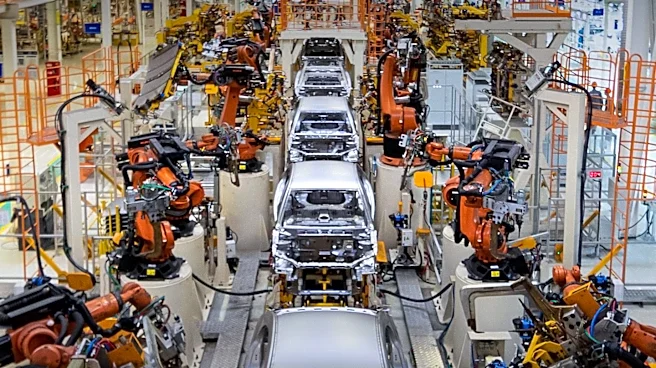
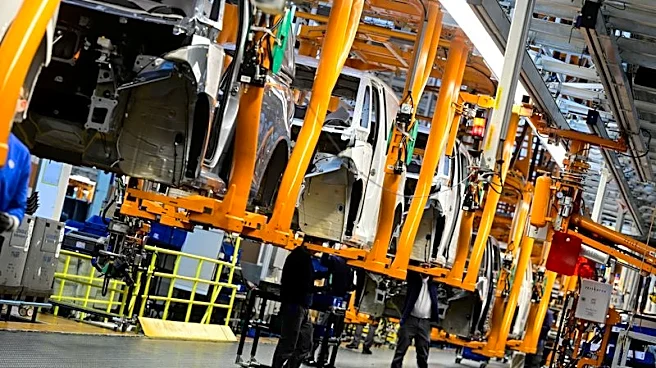
Today, polyurethane is a staple in numerous industries, valued for its durability and adaptability. It is used extensively in the production of foams for insulation and cushioning, coatings for protection and aesthetics, and adhesives for bonding various materials. The automotive industry, in particular, benefits from polyurethane's flexibility and density variations, using it for seats, dashboards, and insulation.
Looking forward, polyurethane's role in sustainable development is gaining attention. While its production involves potentially hazardous chemicals, advancements in processing and safety measures are mitigating these concerns. As industries continue to innovate, polyurethane's applications are expected to expand further, solidifying its place as a critical material in modern manufacturing.