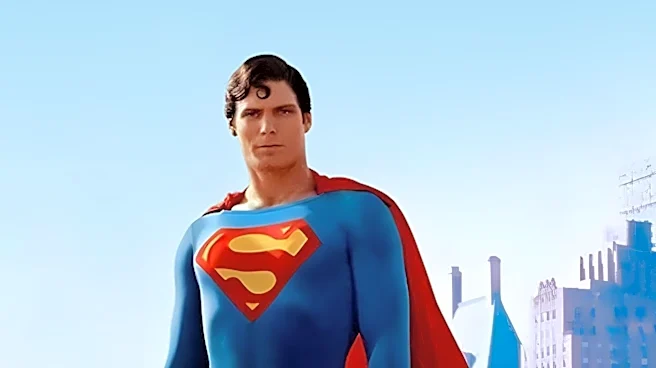





The "Adventures of Superman" television series, which first aired in the 1950s, marked a significant milestone as the inaugural TV adaptation of the iconic comic book character created by Jerry Siegel and Joe Shuster. Starring George Reeves as the Man of Steel, the show underwent a notable transformation during its run, evolving from its initial black-and-white format to embrace color filming. This shift not only reflected technological advancements
in television production but also influenced the series' tone and visual storytelling, offering viewers a changing experience of Superman's adventures over its six seasons.
Early Production and Black-and-White Era
Production for the "Adventures of Superman" began in 1951 in California, utilizing RKO-Pathé stages and the RKO Forty Acres back lot. The series was preceded by a 58-minute black-and-white film titled "Superman and the Mole Men," released in November 1951, which served as a pilot. This film, starring George Reeves and Phyllis Coates, was later edited into a two-part storyline called "The Unknown People" for television syndication, though it went unaired until 1954. The initial success of this pilot prompted the start of the first season's production in August or September of the same year.
The show itself, however, remained unaired until September 1952, when cereal manufacturer Kellogg's agreed to sponsor it, a role they had previously held for the Superman radio series. The first two seasons, encompassing episodes 1 through 52 with 26 titles per season, were filmed entirely in black-and-white. These early episodes were characterized by action-packed, dark, and gritty storylines, often featuring Superman battling gangsters and crime lords. Many characters met their demise in these episodes, with some deaths even depicted on screen, contributing to a film noir-like atmosphere where Superman was initially a semi-mysterious figure to many criminals.
The Transition to Color and Tonal Shifts
Beginning with season three, and continuing through season six (episodes 53-104, with 13 titles per season), "Adventures of Superman" transitioned to filming in color. Despite being filmed in color, these episodes were initially telecast in black-and-white, and it wasn't until 1965, when the series was syndicated to local stations, that audiences could finally view them in their intended vibrant hues. This change in production coincided with a noticeable shift in the show's tone.
In the color seasons, the villains often became more caricatured, and the overall level of violence was significantly toned down. Gunfire was typically aimed at Superman, who was less likely to engage in prolonged physical altercations. When he did use force, it was often depicted as a single blow or by comically banging villains together. More frequently, antagonists would incapacitate themselves while attempting to flee from Superman. The character of Jimmy Olsen, popular with viewers, was increasingly portrayed as the show's comic foil. Most plots during this period revolved around Jimmy and Lois Lane finding themselves in dangerous situations, requiring Superman's last-minute rescue. By the sixth and final season, scripts attempted to reestablish some of the show's earlier seriousness, incorporating science fiction elements such as a Kryptonite-powered robot, atomic explosions, and impregnable metal cubes, signaling a return to higher stakes in the narratives.
Sponsorship, Syndication, and Lasting Legacy
Kellogg's played a crucial role as the show's sponsor, and their involvement was evident in the opening narration, which began with "Kellogg, 'The Greatest Name In Cereals', presents the Adventures of Superman!" In later syndication, once Kellogg's was no longer the sponsor, these opening lines were re-edited to remove the reference. The series was produced for first-run syndication rather than for a network, contributing to some dispute over its exact first and last air dates, generally accepted as September 19, 1952, and April 28, 1958. The show's enduring popularity led to its release on VHS in 1987 and its complete availability on DVD in 2006, coinciding with the release of the film "Superman Returns." The production and the tragic death of George Reeves were also dramatized in the 2006 feature film "Hollywoodland," further cementing the series' place in television history.