




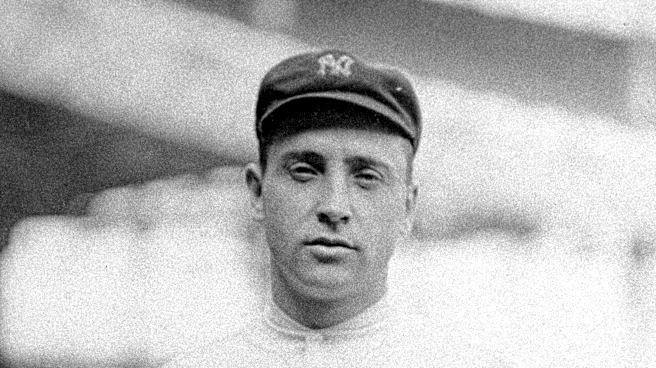

Connie Mack, the venerable manager of the Philadelphia Athletics, demonstrated his strategic genius during the 1929 World Series, particularly with his unconventional pitching choices. Facing the Chicago Cubs, whose lineup was heavily dominated by right-handed batters, Mack made a series of calculated decisions that defied expectations and ultimately contributed to his team's success. His most notable move involved the surprise start of veteran pitcher
Howard Ehmke in Game 1, a decision that showcased Mack's deep understanding of the game and his opponents.
Tailoring the Pitching Staff to the Opponent
One of Mack's key strategic considerations was the composition of the Cubs' batting lineup. With seven of their eight regular position players hitting right-handed, Mack opted for a specific approach to his pitching rotation. He made the deliberate choice to start only right-handed pitchers throughout the series. This meant that even two of his best starters, Lefty Grove and Rube Walberg, who were left-handed, were kept in the bullpen. This decision highlighted Mack's commitment to exploiting perceived weaknesses in the opposing team's batting order, prioritizing matchups over the conventional use of his top-tier southpaws.
This tailored approach aimed to neutralize the Cubs' right-handed power, forcing them to face pitchers whose deliveries might be less comfortable for them. By keeping his left-handed aces in reserve, Mack maintained flexibility and the element of surprise, ensuring that his right-handed starters could focus on their strengths against the predominantly right-handed Cubs hitters.
The Audacious Call: Ehmke's Game 1 Start
Mack's most audacious pitching decision came in Game 1 with the selection of Howard Ehmke. Ehmke, a veteran pitcher whose career was nearing its end due to a sore arm, had pitched only sparingly during the 1929 regular season. Despite his limited play, Mack had a plan. In mid-September, with the league pennant races already decided, Mack sent Ehmke to scout the Cubs, instructing him to prepare for a World Series start.
Mack kept this decision a complete secret until the day of the game, surprising players on both teams. Ehmke's intimate knowledge of the Cubs' batters, combined with a well-rested arm, proved to be a masterstroke. He pitched a complete game, allowing no earned runs and striking out 13 batters, breaking a World Series record that had stood since 1906. This unexpected performance not only secured a crucial victory but also underscored Connie Mack's reputation as a shrewd and innovative manager, willing to take calculated risks for the ultimate prize.