





Triangle poses have become a staple in modern yoga practice, offering a blend of strength, flexibility, and balance. Among these, Parivrtta Trikonasana, or the revolved triangle pose, stands out as a dynamic variation that challenges the body and mind. This article explores the historical development of triangle poses, highlighting the evolution of Parivrtta Trikonasana within the broader context of yoga.
Historical Roots
The triangle pose, known as Trikonasana, has
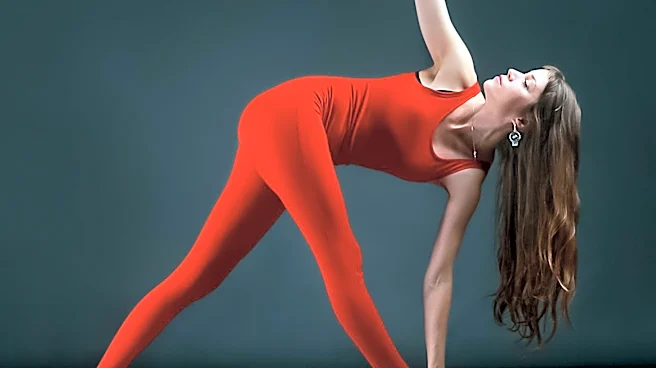
its origins in the teachings of Tirumalai Krishnamacharya, a key figure in the modern yoga movement. His influence, along with that of his students, helped popularize various asanas, including the extended triangle pose, or Utthita Trikonasana. The name Trikonasana comes from the Sanskrit words "tri" meaning three, "kona" meaning angle, and "asana" meaning posture.
Krishnamacharya's teachings emphasized the importance of alignment and breath in yoga practice. The triangle pose, with its focus on extending the body and creating a triangular shape, became a foundational asana in his teachings. Over time, variations of this pose, such as Parivrtta Trikonasana, emerged to offer practitioners new challenges and benefits.
Development of Parivrtta Trikonasana
Parivrtta Trikonasana, or the revolved triangle pose, is a variation that incorporates a twist into the traditional triangle pose. This pose requires a full rotation of the torso, engaging the core muscles and enhancing spinal flexibility. The addition of the twist not only increases the physical demands of the pose but also offers unique benefits, such as improved digestion and detoxification.
The development of Parivrtta Trikonasana reflects the broader trend in modern yoga to explore variations and adaptations of traditional poses. By incorporating twists and rotations, practitioners can deepen their practice and experience new physical and mental benefits.
Modern Practice and Benefits
Today, Parivrtta Trikonasana is a common pose in yoga classes around the world. It is often used as a follow-up to the extended triangle pose, allowing practitioners to build on their foundation and explore new dimensions of movement. The pose is known for its ability to strengthen the core, improve balance, and increase flexibility.
In addition to its physical benefits, Parivrtta Trikonasana offers mental and emotional benefits. The focus required to maintain balance and alignment can help calm the mind and reduce stress. As with any yoga practice, it is important to approach this pose with mindfulness and respect for one's body.
The evolution of triangle poses, including Parivrtta Trikonasana, highlights the dynamic nature of yoga as a practice that continues to grow and adapt. By exploring these variations, practitioners can deepen their understanding of yoga and enhance their overall well-being.