




Robert Field Stockton, a figure of considerable influence in 19th-century America, was not only a distinguished naval commodore but also a significant political leader. Born into a family deeply rooted in public service in Princeton, New Jersey, Stockton himself served as a U.S. Senator from New Jersey. His life exemplified a commitment to civic duty, extending from his family's foundational contributions to the nation to his own diverse roles in government
and industry.
A Distinguished Political Lineage
The Stockton family name carried considerable weight in American politics, and Robert F. Stockton was a direct inheritor of this legacy. He was born at Morven, a historic estate on Stockton Street in Princeton, New Jersey, into a family renowned for its contributions to the nascent United States. His grandfather, Judge Richard Stockton, was a particularly notable figure, having served as the attorney general for New Jersey and, most significantly, as a signer of the Declaration of Independence. This direct connection to the nation's founding principles underscored the family's deep-seated commitment to American governance.
Robert's father, also named Richard Stockton, continued this tradition of public service, representing New Jersey as both a U.S. senator and a representative. The family's roots in what is now the United States stretched back to the early colonial period, and they were of English descent, establishing a long-standing presence in American life. This rich heritage of political engagement provided a powerful backdrop for Robert F. Stockton's own career, influencing his path toward public office. The tradition continued into the next generation, as Robert's own son, John P. Stockton, would later serve as a senator for New Jersey from 1865-1866 and again from 1869-1875, further solidifying the family's enduring impact on the state and national political landscape.
Senatorial Tenure and Democratic Affiliation
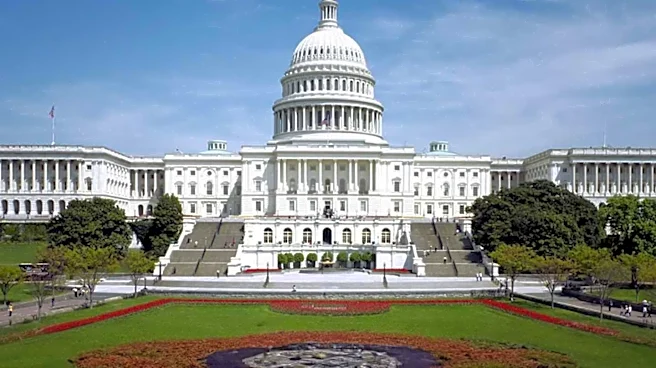
Following his extensive naval career, Robert F. Stockton transitioned into the realm of elected politics. He successfully ran for and was elected to the United States Senate, representing his home state of New Jersey. His term as a U.S. Senator spanned from 1851 to 1853, during which he served as a Democratic politician. He succeeded William L. Dayton in this esteemed position, taking his place among the nation's lawmakers.
During his time in the Senate, Stockton contributed to the legislative processes of the young nation, bringing his unique perspective shaped by years of military command and diplomatic experience. His affiliation with the Democratic Party aligned him with the political currents of the mid-19th century, allowing him to participate in the debates and decisions that defined the era. His service in the Senate marked a significant chapter in his life, demonstrating his versatility and continued dedication to public service beyond the confines of military command.
Transition to Civilian Leadership and Personal Life
Robert F. Stockton's tenure in the Senate, though relatively brief, was followed by another significant career shift. In January 1853, he resigned from his senatorial duties to take on a new challenge: becoming the executive director of the Delaware and Raritan Canal Company. This move indicated a pivot from direct governmental roles to leadership within the burgeoning industrial and infrastructure sectors of the nation, showcasing his adaptability and business acumen.
Beyond his public and professional life, Stockton also maintained a personal life that contributed to his legacy. He married Harriet Maria Potter on March 4, 1823, in Charleston, South Carolina. Their marriage was fruitful, resulting in the birth of ten children, further expanding the Stockton family line. Robert Field Stockton passed away on October 7, 1866, in his hometown of Princeton, New Jersey, the same place where he was born, bringing his long and varied life of service to a close.