







Japanese cuisine is renowned for its delicate balance of flavors and presentation, but it is also a testament to the country's ability to adapt and innovate. The fusion of traditional Japanese dishes with Western influences has created a unique culinary landscape that continues to evolve. This article examines the impact of Western cuisine on Japanese food and the resulting fusion that has become a staple in modern dining.
The Introduction of Western Cuisine
The Meiji Restoration marked
a significant turning point in Japanese culinary history. As Japan opened its doors to the West, the Emperor lifted the ban on red meat, promoting Western cuisine as a means to enhance physical stature. This period saw the introduction of yōshoku, a style of Western-influenced cooking that incorporated meat and European techniques.
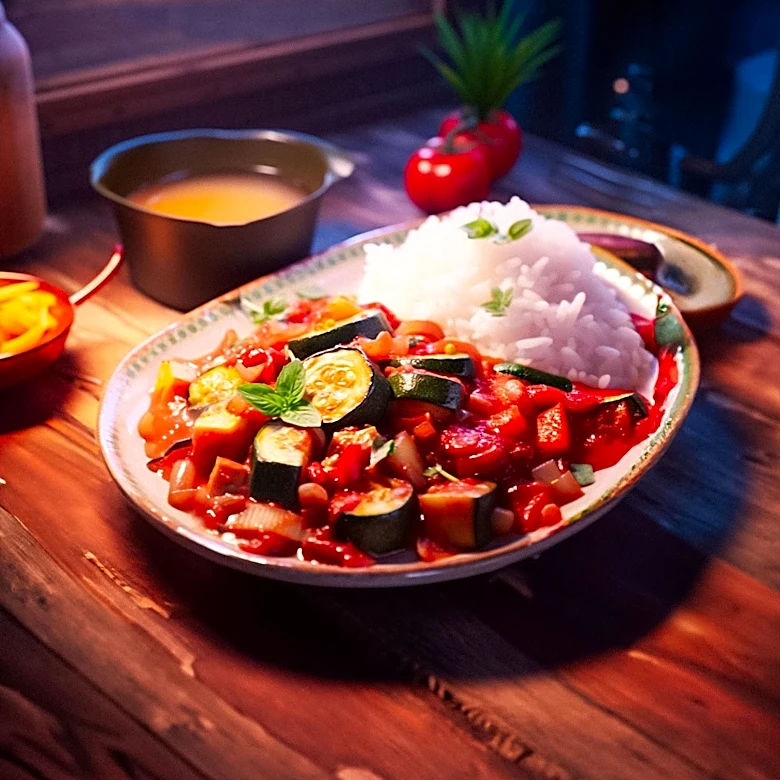
Dishes like curry rice and tonkatsu emerged, blending Japanese and Western flavors. Yōshoku restaurants became popular, offering a taste of Western cuisine with a Japanese twist. This fusion was not just about flavor; it represented a cultural shift, embracing new ideas while maintaining traditional values.
The Evolution of Fusion Cuisine
Yōshoku dishes have become an integral part of Japanese cuisine, often mistaken for traditional fare. Meals such as katsu, beefsteak, and korokke are enjoyed alongside rice and miso soup, showcasing the seamless integration of Western elements. The use of chopsticks and Japanese sauces further highlights the fusion, creating a unique dining experience.
The popularity of yōshoku has led to the development of new dishes that are not based on European foods, such as omurice and chicken rice. These creations reflect the creativity and adaptability of Japanese chefs, who continue to innovate and redefine culinary boundaries.
Global Influence and Recognition
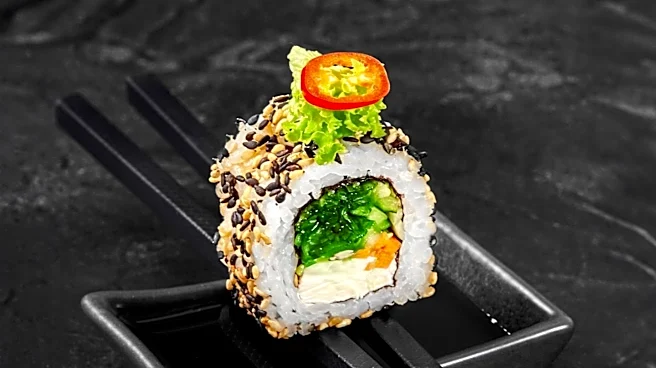
The fusion of Japanese and Western cuisine has not only transformed local dining but also influenced global culinary practices. Sushi, once a traditional Japanese dish, has been adapted to suit Western tastes, leading to creations like the California roll. This global exchange has enriched both Japanese and Western cuisines, fostering a deeper appreciation for diverse flavors.
As Japanese cuisine continues to evolve, it remains a symbol of cultural exchange and innovation. The fusion of tradition and Western influence has created a dynamic culinary landscape that celebrates diversity and creativity. Through its flavors and techniques, Japanese food invites the world to experience a unique blend of heritage and modernity.