








Green tea production is a meticulous process that combines traditional artistry with modern scientific techniques. From the cultivation of Camellia sinensis to the final packaging, each step is carefully executed to preserve the natural flavors and health benefits of green tea. This article delves into the methods and techniques involved in the production and processing of green tea.
Cultivation and Harvesting
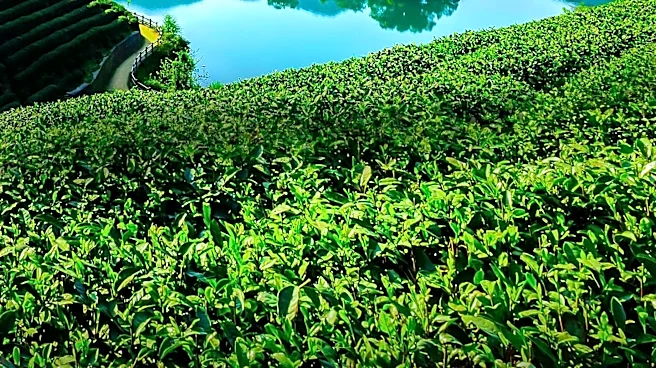
The journey of green tea begins with the cultivation of Camellia
sinensis plants, which are grown in rows and pruned to produce shoots regularly. The growing conditions can be categorized into two types: those grown in the sun and those grown under shade. These conditions affect the aroma and taste of the tea, with shaded plants producing sweeter flavors due to higher chlorophyll content.
Green tea is typically harvested three times a year, with the first flush occurring in late April to early May. This first harvest yields the highest quality leaves, which command premium prices. Subsequent harvests take place from June to July and late July to early August, with some regions conducting a fourth harvest.
Processing Techniques
Once harvested, green tea leaves undergo various processing techniques to minimize oxidation and retain their natural qualities. Artisanal methods such as sun-drying, basket firing, and pan-firing are traditional approaches that have been used for centuries. These methods are complemented by modern techniques like oven-drying, tumbling, and steaming.
Processed green teas, known as aracha, are stored under low humidity refrigeration to maintain freshness. The leaves are re-fired throughout the year as needed, ensuring a longer shelf-life and enhanced flavor. The final firing occurs before blending, selection, and packaging, with each batch being sifted and graded according to size.
Steeping and Consumption
The art of steeping green tea is crucial to achieving the desired taste and aroma. Generally, lower-quality teas are steeped hotter and longer, while higher-quality teas are steeped cooler and shorter, often multiple times. Techniques such as warming the steeping container and gradually adding hot water during consumption help enhance the flavor.
Steeping temperatures range from 61°C to 87°C, with times varying from 30 seconds to three minutes. The amount of tea used also affects the brew, with 2 grams of tea per 100 mL of water being a common ratio.
The production and processing of green tea are a testament to the blend of art and science. Through careful cultivation, processing, and steeping, green tea retains its unique qualities, offering a refreshing and healthful beverage enjoyed by many.