








On October 10, 2025, a series of devastating explosions rocked an Accurate Energetic Systems (AES) manufacturing facility in Humphreys County, Tennessee. This catastrophic event, occurring at 7:48 a.m. Central Daylight Time, resulted in the deaths of sixteen people and left seven injured, one seriously. The facility, situated near Bucksnort, was a critical site for the manufacture, storage, and research of high explosives, serving both the Department
of Defense and various other clients. The sheer scale of the disaster was immediately apparent, with a plume of smoke so immense it was detected by weather radar, and the sound of the explosion captured by doorbell cameras up to 20 miles away.
The Facility and Its Dangerous Operations
The Accurate Energetic Systems plant was deeply involved in the production of high explosives, a process inherently fraught with danger. Specifically, the facility was engaged in making cast boosters, which are used in commercial mining. The explosive mixture typically included highly volatile components such as TNT, RDX, or cyclonite. The manufacturing process itself was described as extremely hazardous, largely due to the potential for sensitive particles to become airborne. These particles are highly susceptible to heat, friction, and electrostatic discharge, any of which could trigger an uncontrolled detonation.
Components for these explosives were initially mixed in kettles located on the mezzanine level of the AES building. From there, the mixture was pumped down to heating kettles on the main floor. After heating, the explosive material was then packed by hand into cardboard tubes and left to cool. The main floor also served as a loading dock, where other explosives were stored, awaiting shipment. This concentration of explosive materials and the manual handling involved underscore the significant risks associated with the plant's daily operations.
The Explosion and Emergency Response Challenges
The initial explosion, which destroyed a building on the AES campus, was a chain reaction that began on the ground floor. Investigators later determined that the blast originated in the heating kettles on the main floor, subsequently detonating additional explosive products stored in the same area. More than 24,000 pounds of explosives detonated during the incident, a figure consistent with later seismological studies that reported an explosive yield equivalent to 11.8 tons of TNT.
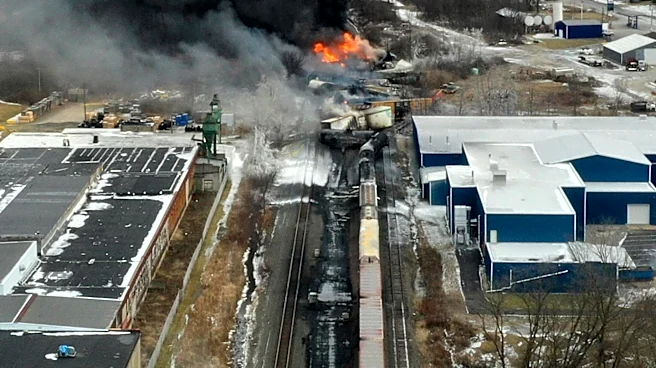
The immediate aftermath presented immense challenges for emergency responders. Due to continuing explosions at the site, personnel were initially unable to reach the facility. Helicopter video from the scene depicted a landscape of damaged vehicles and charred debris, illustrating the destructive power of the blasts. Multiple federal and state agencies quickly mobilized to respond to the disaster, including the Bureau of Alcohol, Tobacco, Firearms and Explosives (ATF), the Department of Homeland Security, the Tennessee Bureau of Investigation, and the Federal Bureau of Investigation (FBI). The Humphreys County sheriff noted the extensive nature of the investigation, indicating it could take months to rule out foul play, highlighting the complexity of understanding such a devastating industrial accident.