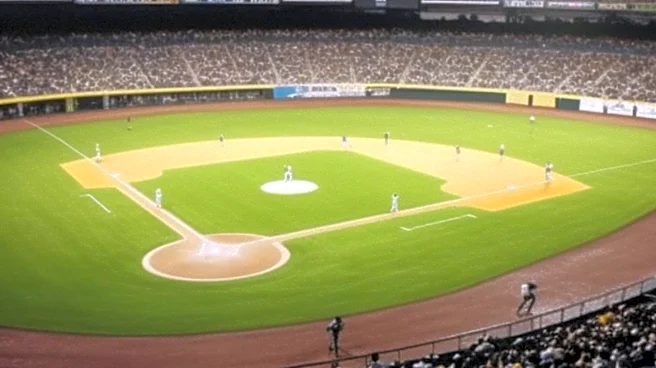






The 2002 Major League Baseball All-Star Game is remembered not for its thrilling plays or standout performances, but for its unexpected and controversial conclusion. Held on July 9, 2002, at Miller Park in Milwaukee, Wisconsin, the game ended in a 7–7 tie after 11 innings. This outcome was met with significant criticism from fans and media alike, as both teams ran out of pitchers, leading to the decision to call the game.
The Game's Unexpected Ending
The All-Star Game is traditionally
a showcase of the best talent in Major League Baseball, with players from the American League and National League competing for bragging rights. However, the 2002 game took an unexpected turn when both teams exhausted their available pitchers by the 11th inning. With no pitchers left to continue the game, officials made the unprecedented decision to end the game in a tie.
This decision was met with boos from the crowd at Miller Park, who had expected a definitive outcome. The tie was a significant departure from the norm, as All-Star Games are typically played to completion, regardless of the number of innings required. The lack of a winner left many fans feeling unsatisfied and sparked a debate about the rules governing the All-Star Game.
Fan and Media Reaction
The reaction to the tie was swift and largely negative. Fans expressed their displeasure both at the stadium and through various media outlets. The decision to end the game without a winner was seen as a failure to deliver the excitement and closure that fans had come to expect from the All-Star Game.
Media coverage of the event highlighted the controversy, with many commentators questioning the decision-making process that led to the tie. The criticism was not only directed at the game's organizers but also at the structure of the All-Star Game itself, which did not account for the possibility of running out of pitchers.
The Impact on Future All-Star Games
The 2002 All-Star Game tie had a lasting impact on how future games were organized. In response to the controversy, Major League Baseball made changes to ensure that such a situation would not occur again. These changes included adjustments to the rules and the management of player rosters to prevent teams from running out of pitchers.
The tie also sparked discussions about the significance of the All-Star Game and its role in the baseball season. While the game is primarily an exhibition, the 2002 tie highlighted the need for a clear outcome to maintain fan interest and satisfaction. As a result, the All-Star Game has since been played with a renewed focus on ensuring a conclusive result, preserving its status as a highlight of the baseball calendar.