



Evander Holyfield entered his November 23, 1991, bout against Bert Cooper as the undisputed heavyweight champion, a title he had earned through a series of impressive victories. His journey to this status was marked by significant challenges and high-profile matchups, solidifying his reputation as "The Real Deal." The fight against Cooper, though initially an unexpected detour, became another chapter in Holyfield's career, showcasing his resilience
and championship mettle amidst a turbulent period of opponent changes and high expectations. This period was crucial in defining Holyfield's legacy as a dominant force in the heavyweight division.
The Ascent to Undisputed Champion
Holyfield's path to becoming the undisputed heavyweight champion was a testament to his skill and determination. He had previously unified the cruiserweight division, becoming the undisputed champion there before moving up to the heavyweight class. His professional record leading into the Cooper fight stood at an impressive 26 wins with no losses, including 21 knockouts. This undefeated streak underscored his dominance and made him a formidable presence in boxing.
His recognition in the boxing world was extensive. He held the WBA, WBC, and IBF undisputed Heavyweight Champion titles. *The Ring* magazine ranked him as the No. 1 Heavyweight and the No. 4 pound-for-pound fighter in the world. Furthermore, Holyfield was recognized as a two-division undisputed world champion, a rare feat that highlighted his exceptional talent across weight classes. These accolades painted a picture of a fighter at the peak of his powers, ready to face any challenger.
Defending the Crown Against Legends and Challengers
Before facing Bert Cooper, Holyfield had already defended his undisputed heavyweight championship against notable opponents. One of his most significant defenses was against the 42-year-old former Heavyweight champion George Foreman. Holyfield successfully navigated this challenge, further cementing his status as the top fighter in the division. These high-stakes fights were crucial in building his reputation and proving his worth as a champion.
The period leading up to the Cooper fight was also characterized by the highly anticipated, but ultimately canceled, bout against Mike Tyson. Tyson, having twice defeated Donovan "Razor" Ruddock, was the number one contender for Holyfield's titles. A deal was struck for Holyfield and Tyson to meet on November 8, 1991, with a record $45 million purse on the line. Holyfield was set to earn $30 million from this historic clash. However, Tyson's rib injury and subsequent legal issues led to the postponement and eventual cancellation of what would have been one of the biggest fights in boxing history.
Navigating Unforeseen Obstacles
The cancellation of the Tyson fight left Holyfield in need of an opponent. Francesco Damiani, a former WBO Heavyweight champion, was announced as the replacement for a fight scheduled on November 23 in Holyfield's native Atlanta. However, just days before the bout, Damiani pulled out due to a foot injury sustained in training. This series of withdrawals created a challenging situation for the champion, who needed to maintain his fighting schedule.
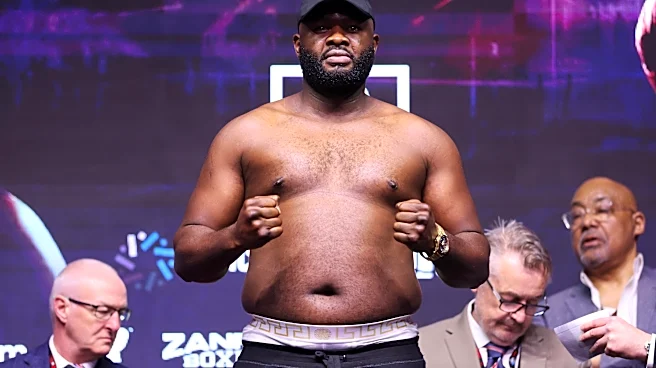
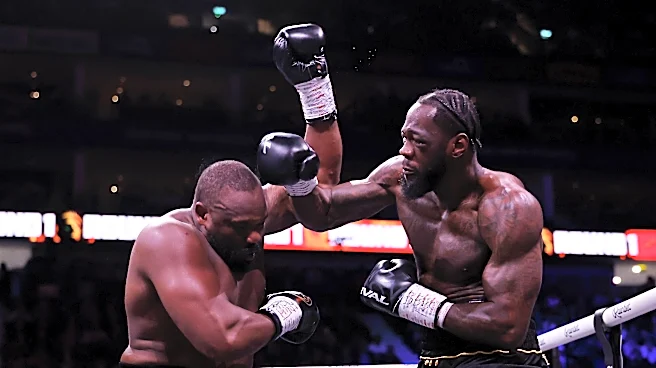
It was under these circumstances that Bert Cooper, a journeyman fighter, stepped in as a last-minute replacement. While Cooper was unranked by the WBC, leading to that organization's refusal to sanction the match for their title, the WBA and IBF heavyweight championships were still on the line. Holyfield, at 29 years and 1 month old, with a perfect 26-0 record, faced Cooper, who was 25 years and 10 months old with a record of 26-7 (1). Despite the unexpected nature of the opponent, Holyfield's focus remained on defending his titles and continuing his reign as the undisputed heavyweight champion, even as Cooper delivered a surprising and challenging performance.