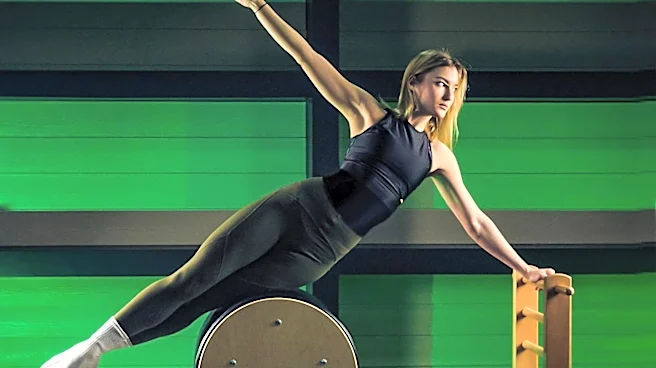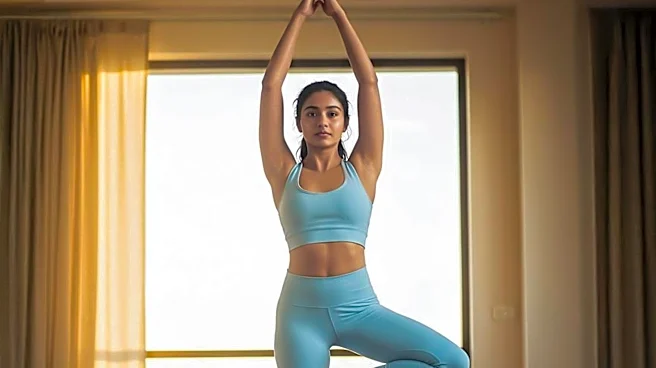




Vrksasana, or Tree Pose, is a versatile yoga asana that has been adapted into various styles and variations. This article explores the different approaches to Vrksasana, highlighting how practitioners can modify the pose to suit their needs and abilities.
Traditional Execution and Modern Adaptations
Traditionally, Vrksasana begins with the practitioner standing on one leg, with the opposite foot placed against the inner thigh or calf of the standing leg. The hands are typically brought together
in prayer position in front of the chest or extended overhead.
Modern yoga practices have introduced several adaptations to Vrksasana. In Bikram Yoga, the pose is referred to as Tadasana, with one leg folded in half lotus and the hands together over the chest. This variation emphasizes balance and concentration, with additional movements such as bending the straight leg into a squatting position.
Modifications for Balance and Flexibility
Vrksasana can be modified to accommodate different levels of balance and flexibility. Practitioners may choose to hold their hands apart, either straight up or out at an angle, or lower them into prayer position in front of the chest.
For those who struggle with balance, one heel can be raised and placed against the shin of the standing leg, with the toes remaining on the ground. Alternatively, practitioners can stand beside a wall and place one hand on it for support. These modifications allow individuals to practice Vrksasana safely and effectively.
Therapeutic Uses and Benefits
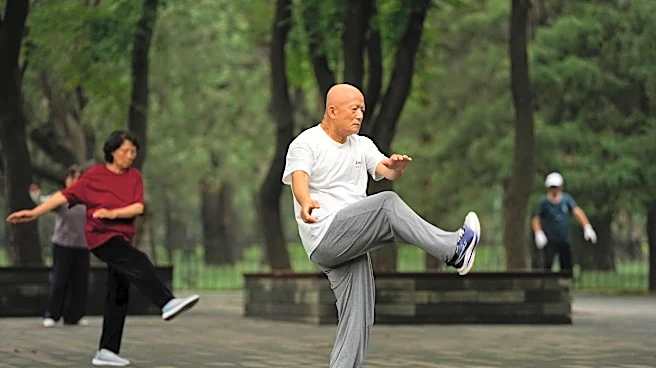
Vrksasana is recommended for older individuals to help maintain good balance and reduce the risk of falls. The pose's emphasis on stability and focus makes it an effective exercise for improving physical health and coordination.
There is preliminary evidence that a yoga program including Vrksasana may help prevent falls among older people. This highlights the pose's potential in yoga therapy, offering both physical and psychological benefits.
Exploring the variations of Vrksasana allows practitioners to tailor the pose to their individual needs and abilities. Whether practiced traditionally or with modern adaptations, Vrksasana remains a valuable tool for promoting balance, flexibility, and overall well-being.