






Scarves have been a staple in human attire for centuries, serving various purposes from warmth to fashion statements. Their journey through history is a fascinating tale of cultural significance and practical use. This article explores the evolution of scarves from their ancient origins to their place in modern fashion.
Ancient Beginnings
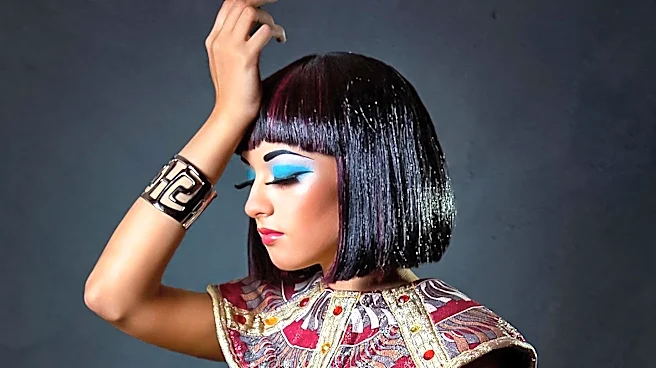
Scarves have been worn since ancient history, with evidence dating back to 1350 BC in Ancient Egypt. Queen Nefertiti is said to have worn a tightly
woven headscarf, showcasing the early use of scarves as a fashion accessory. Similarly, a 9th-century BC statue of Ashurnasirpal II depicts the emperor wearing a shawl, indicating the garment's presence in ancient Mesopotamia.
In Athens around 500 BC, scarves were used by women to enhance their seductive charm, while Indian women wore them flirtatiously as headgear. These early uses highlight the scarf's role in personal adornment and social signaling. During the reign of Chinese Emperor Cheng, scarves served as military markers, identifying the rank of warriors, a practice depicted among the Terracotta Warriors.
Medieval and Renaissance Developments
Scarves continued to evolve through the Middle Ages, becoming part of religious and ceremonial attire. Several Christian denominations adopted the scarf known as a stole as part of their liturgical vestments. In the English Church, a black silk scarf was worn by clergy, while mourners at funerals donned a black scarf made of silk or crape.
The scarf's role in social orders was evident in the Masonic Lodge, where marshals wore scarves of specific colors during processions. By the 17th century, Croatian soldiers popularized the scarf as a neckwear item, leading to the development of the cravat, a precursor to the modern necktie.
Modern Fashion and Cultural Significance
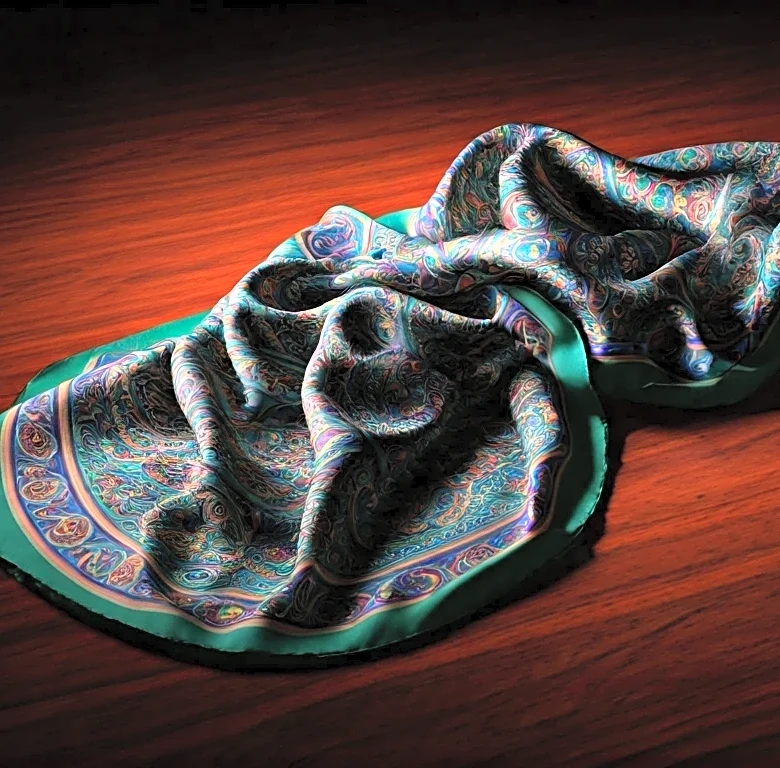
By the early 19th century, scarves became a fashion accessory for both men and women. Napoleon Bonaparte's gift of Egyptian scarves to his wife sparked a trend, leading to the mass production of scarves in Paisley, Scotland. The 20th century saw scarves become versatile clothing accessories, embraced by the fashion industry.
During World War I and II, scarves were knitted by women in the United States as a patriotic duty for soldiers. The fashion industry adopted scarves, with designers like Hermès creating iconic silk scarves. Scarves have been modeled by celebrities and featured in films, solidifying their status as a fashion staple.
Today, scarves are worn for warmth, fashion, and cultural expression, reflecting their rich historical journey. From ancient Egypt to modern runways, scarves continue to be a symbol of style and identity.