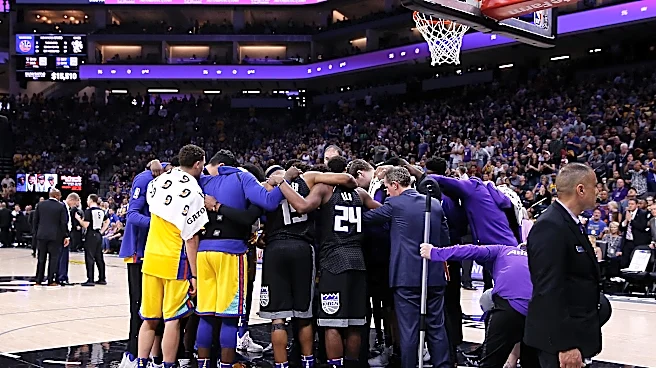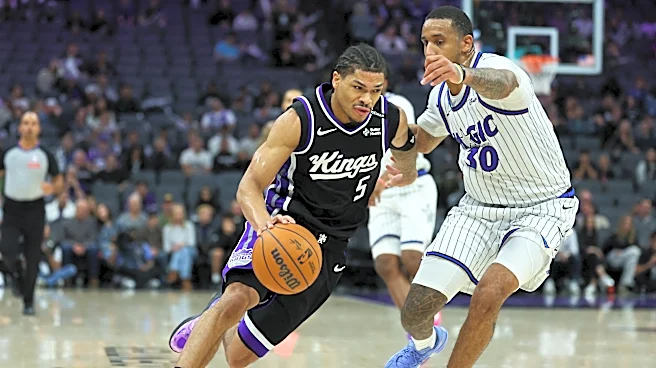




ARCO Arena, while primarily known as the long-time home of the Sacramento Kings, was far more than just a basketball venue. From its opening in 1988 until its eventual demolition, the arena served as a versatile stage for a wide array of events, drawing millions of spectators from across Northern California. Its design allowed for significant flexibility, accommodating everything from high-energy monster truck rallies to delicate ice shows. However,
the arena's story also includes an ambitious, yet ultimately unfulfilled, vision for a larger sports complex, highlighting both its successes and the challenges faced in its development.
A Hub for Varied Entertainment
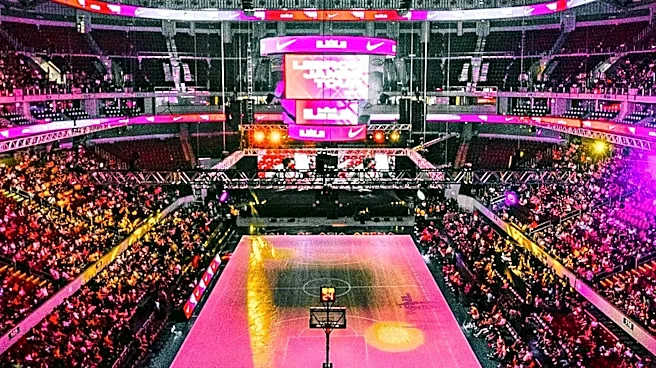
Constructed at a cost of $40 million, ARCO Arena was designed with versatility in mind. Its seating capacity of 17,317 for basketball could be reconfigured to host a diverse range of events. Beyond NBA games, the arena regularly featured concerts, bringing numerous musical acts to Sacramento. Ice shows and ice hockey games were also common, with the arena's unique setup allowing the ice rink to run perpendicular to the basketball court. This required the normal sideline seating to be retractable, demonstrating the arena's adaptable infrastructure.Other popular events included rodeos, showcasing equestrian skills and cowboy culture, and monster truck rallies, which drew large crowds eager to witness powerful vehicles in action. At one point, nearly two million spectators visited ARCO Arena in a single year, underscoring its importance as a regional entertainment destination. This broad appeal ensured that the arena remained a vibrant center for community activity, offering something for nearly every taste in live entertainment.
The Unfinished ARCO Park Vision
Adjacent to ARCO Arena lay ARCO Park, an unfinished multi-purpose stadium that represented a grander, unfulfilled vision for the site. The original plan was to develop a Triple-A minor-league baseball stadium directly north of the arena. This stadium was intended to be capable of expansion, with the potential to accommodate both a Major League Baseball team, possibly the Oakland Athletics, and a National Football League team, such as the then-Los Angeles Raiders.However, this ambitious project never came to fruition. The Sacramento Sports Association, responsible for the development, ran out of money during construction in 1989, and a major league team was never secured for the site. Despite the stadium remaining unfinished, a tunnel connecting the basketball arena to the incomplete structure existed. This tunnel was colloquially known as the "clown cave," as clowns from the Ringling Bros. and Barnum & Bailey Circus utilized it as a dressing area. The existence of this tunnel served as a physical reminder of the grand plans that were never fully realized, contrasting with the successful, albeit smaller-scale, operations of ARCO Arena itself.