




Static stretching is a fundamental component of physical fitness routines, often used to enhance flexibility and muscle control. This type of stretching involves holding a position to elongate muscles and is a common practice among athletes and fitness enthusiasts. While it is a simple concept, static stretching has various forms and applications that can impact performance and muscle health.
Understanding Static Stretching
Static stretching is characterized by holding a stretch for
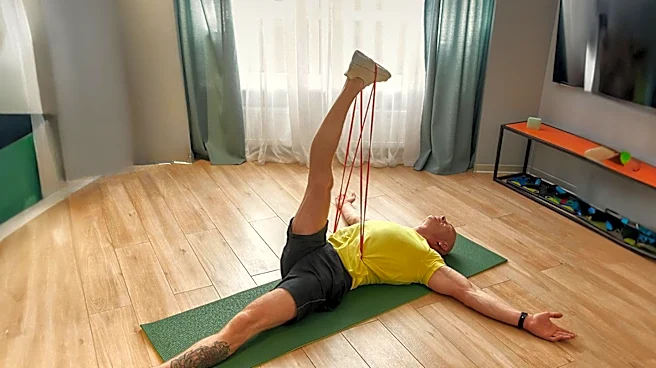
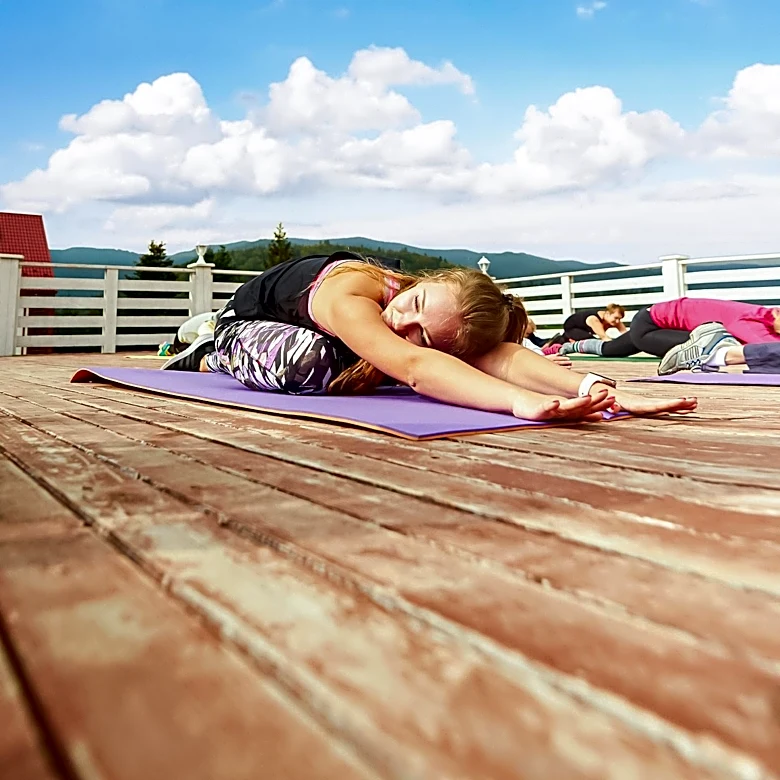
a period, typically using external forces to maintain the position. This method is known as static-passive stretching, where the joint is brought to its end range of motion and held there. The goal is to improve the muscle's elasticity and range of motion, which can lead to better muscle control and flexibility. Static stretching is instinctive and natural, often occurring after waking up or after long periods of inactivity.
There are more advanced forms of static stretching, such as proprioceptive neuromuscular facilitation (PNF). PNF involves both active muscle contractions and passive external forces, utilizing neuromuscular reeducation to potentially yield better results in terms of induced strength. This method may involve contracting antagonist muscles, agonist muscles, or both, and its efficacy can depend on the duration of stretching relative to performance.
The Role of Static Stretching in Fitness
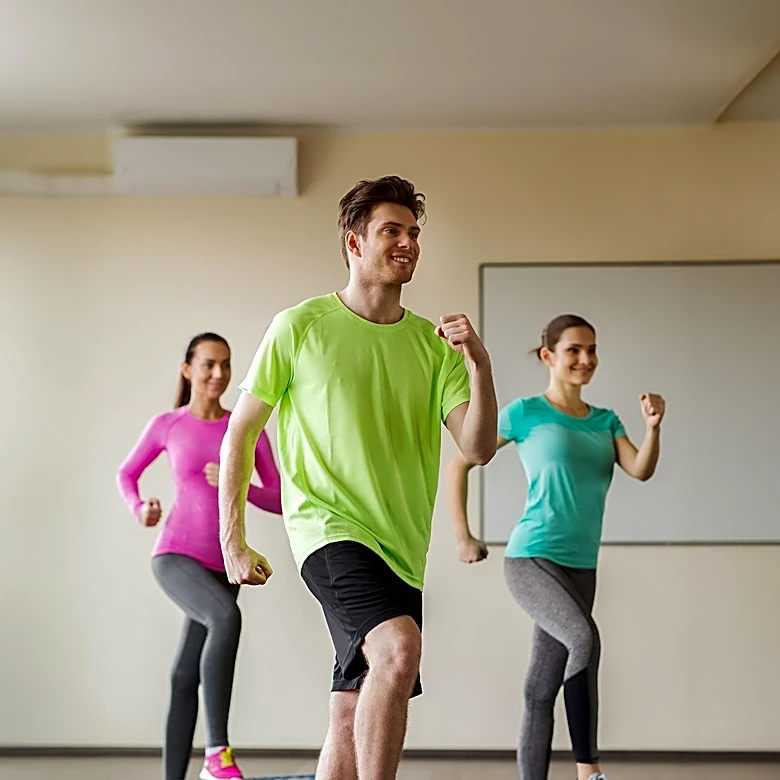
Static stretching is a common part of warm-up routines, although its role in pre-exercise preparation is debated. Long-duration static stretching before exercise can temporarily reduce muscular strength and maximal performance, regardless of age, sex, or training status. This has led to a preference for dynamic warm-ups before engaging in physical activity, as they are believed to better prepare the muscles for exertion.
Despite this, static stretching remains a valuable tool for increasing flexibility, one of the basic tenets of physical fitness. It is often used therapeutically to alleviate cramps and improve function in daily activities by increasing the range of motion. Athletes frequently incorporate static stretching into their routines to reduce the risk of injury and enhance performance.
Considerations and Best Practices
While static stretching is beneficial, it can be dangerous if performed incorrectly. Techniques vary depending on the muscle group being stretched, and some methods may be ineffective or even harmful, potentially causing hypermobility, instability, or permanent damage to tendons, ligaments, and muscle fibers. Therefore, understanding the physiological nature of stretching and the effects of various techniques is crucial.
In conclusion, static stretching is a versatile and essential component of physical fitness, offering benefits in flexibility and muscle control. However, it should be approached with caution and understanding to maximize its advantages and minimize potential risks.