






Storytelling has evolved significantly over the centuries, transitioning from traditional oral forms to modern digital narratives. This evolution reflects changes in technology, culture, and communication, allowing stories to reach wider audiences and take on new forms. This article explores the journey of storytelling from its oral roots to the digital age.
The Roots of Oral Storytelling
Oral storytelling is one of the oldest forms of human communication, predating written language.
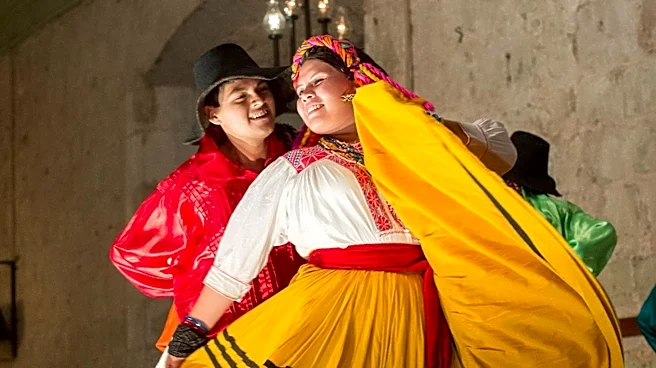
In ancient times, stories were shared orally within communities, often accompanied by music, dance, and visual art. These stories served as a means of entertainment, education, and cultural preservation, passing down knowledge and values from one generation to the next.
In many cultures, oral storytelling was a communal activity, bringing people together to share experiences and learn from one another. Storytellers were revered as keepers of history and tradition, using their skills to engage audiences and convey important messages. This oral tradition allowed for flexibility and adaptation, as each storyteller could add their own embellishments and interpretations to the narrative.
The Rise of Written and Recorded Stories
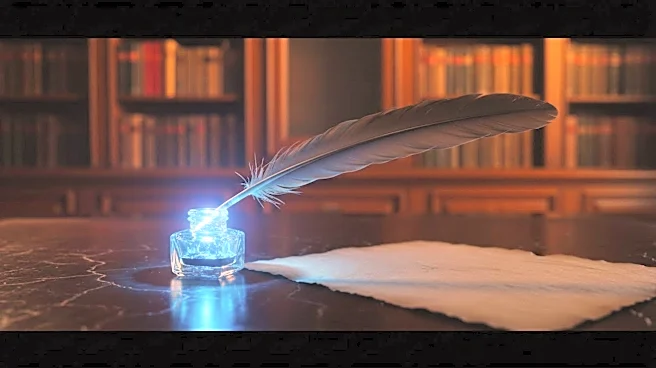
With the advent of writing, storytelling began to take on new forms. Written narratives allowed stories to be recorded and preserved for future generations, expanding their reach beyond the confines of oral tradition. This shift enabled the creation of complex literary works, such as epics, novels, and plays, which continue to captivate audiences today.
The development of printing technology further revolutionized storytelling, making written works more accessible to the masses. This democratization of storytelling allowed for a greater diversity of voices and perspectives, enriching the cultural landscape and fostering a deeper understanding of the human experience.
The Digital Age of Storytelling
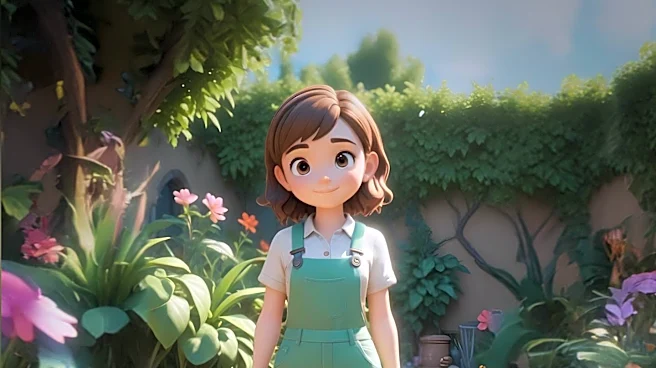
In the modern era, digital technology has transformed storytelling once again. Digital storytelling combines traditional narrative elements with multimedia tools, such as images, audio, and video, to create immersive and interactive experiences. This new form of storytelling allows individuals to share their stories with a global audience, breaking down geographical and cultural barriers.
Digital storytelling has also given rise to new genres and platforms, such as interactive fiction, web documentaries, and social media narratives. These innovations have expanded the possibilities for creative expression, enabling storytellers to experiment with non-linear and participatory formats.
As storytelling continues to evolve, it remains a powerful tool for communication and cultural preservation. Whether through oral traditions, written works, or digital media, storytelling connects people, shares experiences, and enriches our understanding of the world.