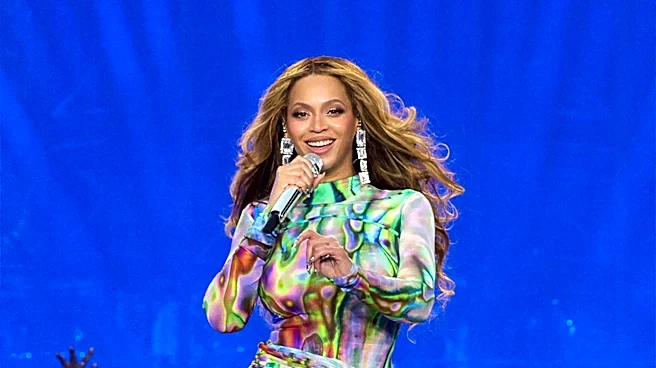








Beyoncé's 2011 R&B song, "Love on Top," from her fourth studio album *4*, stands out for its vibrant embrace of retro musical styles. Co-written and co-produced by Beyoncé and Shea Taylor, with additional writing by Terius Nash, the track is an uptempo R&B piece that consciously harks back to earlier eras of music. It masterfully blends elements of funk, disco, and retro-soul, creating a sound that has been described as a modern take on old-school
music.
A Blend of Classic Genres
The song's musical composition is a rich tapestry woven from various classic genres. It incorporates the energetic rhythms of funk, the danceable beats of classic 1970s disco, and the heartfelt expressiveness of retro-soul. This fusion gives "Love on Top" a distinctive character, setting it apart from many contemporary R&B tracks. Critics have noted its bright and playful homage to the mid-1980s, evoking a pre-new-jack-swing R&B sound. The track's retro elements are further emphasized through specific production choices, such as the use of finger snaps, a distorted bass groove, and the inclusion of brass instruments and saxophones, particularly in the chorus.
Echoes of Musical Legends
"Love on Top" draws clear inspiration from a pantheon of musical legends. Its style has been likened to the works of Stevie Wonder, Luther Vandross, Anita Baker, Whitney Houston, Diana Ross, and The Jackson 5. This connection to iconic artists of the past is not accidental; Beyoncé herself has spoken about channeling the passion and honesty of Etta James in her vocal approach for the album *4*, including this song. Having portrayed Etta James in the musical biopic *Cadillac Records*, Beyoncé found that experience profoundly influenced her vocal delivery, making it feel more raw and deeply rooted than in her previous works. This influence is evident in the powerful and expressive vocal performance on "Love on Top."
Dynamic Vocal Performance and Key Changes
Beyond its genre influences, "Love on Top" is notable for its dynamic vocal performance and structural complexity. The song features four key changes, which occur chromatically upwards, particularly during the repeated chorus towards the end. These key changes allow Beyoncé to showcase her vocal range, reaching some of her highest notes within the song. This high-octane vocal display, combined with the uplifting lyrical theme of unwavering love, contributes to the song's energetic and celebratory feel. The chorus, sung with a choir, expresses profound happiness and devotion, reinforcing the song's positive and enduring message of love.