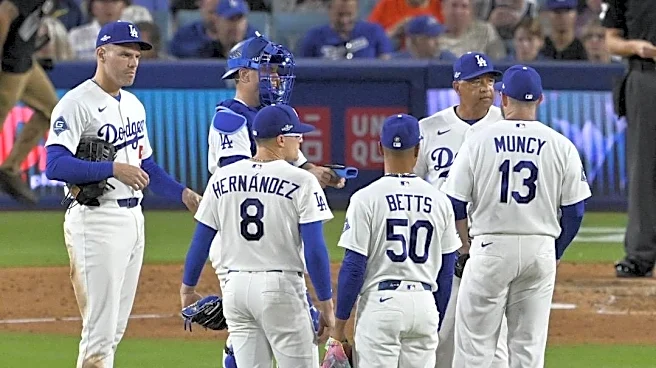

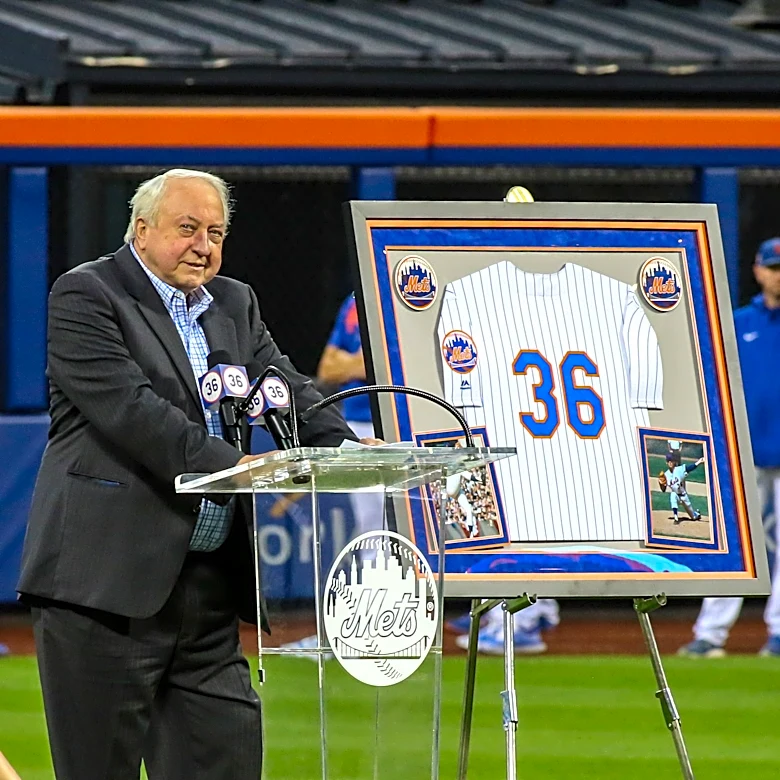







Sandy Koufax's Major League Baseball career, spanning from 1955 to 1966 with the Brooklyn and Los Angeles Dodgers, is a remarkable story of transformation. What began as an inconsistent tenure for a young pitcher with immense raw talent evolved into one of the most dominant stretches in baseball history. His journey from a player struggling to find his footing to a unanimous Cy Young Award winner and World Series champion illustrates a profound mastery
of his craft, culminating in an early retirement that left fans wondering what more he could have achieved. Koufax's statistical dominance in his later years cemented his place as one of the game's all-time greats.
The Early Years: Raw Talent and Inconsistency
Born Sanford Braun in Brooklyn, New York, in 1935, Koufax was primarily a basketball player in his youth and had limited pitching experience before signing with the Brooklyn Dodgers at age 19. Due to the bonus rule then in effect, Koufax was immediately placed on the major league roster, bypassing the minor leagues entirely. This lack of professional pitching development meant his early seasons were marked by inconsistency. Dodgers manager Walter Alston reportedly distrusted Koufax due to his erratic performances, leading to irregular playing time during his first six seasons. Despite flashes of brilliance, Koufax struggled to harness his powerful arm consistently, making his eventual rise to dominance all the more extraordinary.
The Turning Point: Adjustments and Ascendancy
The pivotal moment in Koufax's career came prior to the 1961 season, when he made crucial adjustments to his pitching mechanics and approach. This period marked the beginning of his transformation into the dominant pitcher he is remembered as today. He quickly rose to become the premier pitcher in the major leagues, and notably, the first major sports star on the West Coast following the Dodgers' move to Los Angeles. This era saw him become an All-Star in each of his last six seasons, a testament to his consistent excellence and newfound command on the mound. His ability to adapt and refine his technique after years of struggle highlights his dedication and innate talent.
Unprecedented Dominance and Accolades
Koufax's final years in baseball were characterized by unparalleled statistical dominance. He led the National League in earned run average (ERA) in each of his last five seasons, a remarkable display of consistency and effectiveness. He also led the league in strikeouts four times, and in wins and shutouts three times each. His achievements included being the first pitcher in the live-ball era to post an ERA below 2.00 in three different qualifying seasons, and the first in the modern era to record a 300-strikeout season three times. He was also the first pitcher to win three Cy Young Awards, an especially impressive feat considering that during much of his career, only one award was given for both major leagues. Furthermore, he was the first pitcher to win the award by a unanimous vote, a distinction he achieved three times.
A Legacy Cut Short but Undiminished
Despite his early retirement at age 30 due to chronic arthritis in his left elbow, Koufax's impact on baseball was profound and lasting. He was a seven-time All-Star and a four-time World Series champion, earning World Series MVP honors twice. His career culminated in his induction into the Baseball Hall of Fame in 1972, making him the youngest player ever to be enshrined at age 36. The Dodgers retired his number 32 in the same year, and a statue honoring him was erected at Dodger Stadium in 2022. Koufax's journey from a raw, inconsistent talent to an undisputed pitching legend remains a compelling narrative in baseball history, showcasing how dedication and refinement can lead to extraordinary heights.