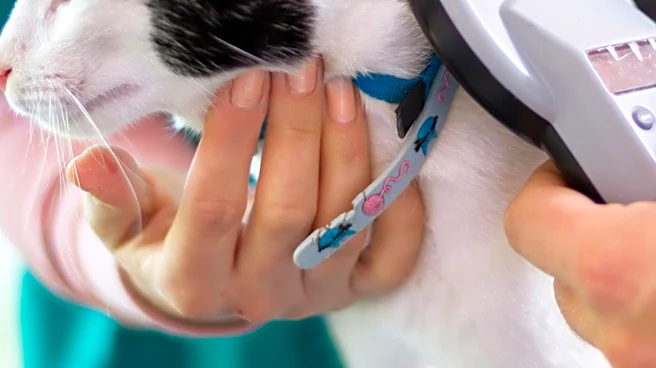






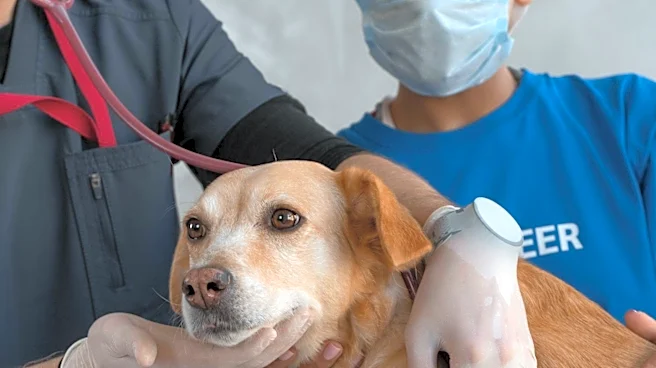


Ensuring the long-term health and well-being of domestic cats relies heavily on a proactive approach to preventive medicine. This encompasses a range of strategies, from essential vaccinations to diligent disease detection and effective parasite control. By implementing these measures, cat owners can significantly reduce the risk of their pets contracting serious illnesses and help them lead healthier, more comfortable lives. Preventive care is not
just about treating sickness; it's about actively safeguarding against it.
The Role of Vaccinations in Feline Health
Vaccinations are a cornerstone of preventive animal health. The specific vaccines recommended for cats can vary based on several factors, including their geographic location, typical environment, any history of travel, and the activities they frequently engage in. However, in the United States, certain vaccinations are almost universally recommended for all cats, regardless of these variables. These core vaccines typically protect against rabies, feline herpesvirus 1 (FHV-1), feline calicivirus (FCV), and feline panleukopenia virus (FPV). These particular viruses can cause serious, sometimes fatal, diseases, and vaccination is the most effective way to provide protection.
Beyond these core vaccinations, the decision to vaccinate against other diseases should be a collaborative one between the cat owner and their veterinarian. This discussion should take into account the individual cat's lifestyle and risk factors. For instance, cats with outdoor access or those living in multi-cat households might benefit from additional vaccines. Timely vaccination is crucial, as it not only reduces the risk of infection but also lessens the severity of the disease if an infection does occur. This proactive immunization strategy is a vital component of responsible cat ownership.
Early Detection and Parasite Management
Early detection of feline diseases is another critical aspect of preventive care. Routine visits to a veterinarian allow for the screening and identification of common feline illnesses such as Feline Leukemia Virus (FeLV), Feline Immunodeficiency Virus (FIV), and feline heartworm. A variety of diagnostic tests are available to detect these and other conditions, and when illnesses are caught early, most can be managed effectively, often leading to better outcomes for the cat. Regular check-ups, even when a cat appears healthy, are therefore invaluable.
Parasite medication is equally important in a comprehensive preventive health plan. Both external parasites, like fleas, mites, ticks, and mosquitoes, and internal parasites can pose significant health threats. External parasites can cause skin irritation and discomfort, and they are also frequently carriers of other diseases or internal parasites. Consistent use of veterinarian-recommended parasite control products helps to prevent infestations, protecting the cat from both the direct effects of parasites and the diseases they can transmit. By combining regular veterinary check-ups, appropriate vaccinations, and effective parasite control, cat owners can establish a robust preventive health regimen for their beloved pets.