







Omelettes are a universal dish, enjoyed in various forms across the globe. While the basic concept of beaten eggs cooked with butter or oil remains consistent, each culture has developed its own unique version of the omelette, incorporating local ingredients and flavors. This article explores some of the most popular regional variations of omelettes, highlighting the diversity and creativity found in this simple yet versatile dish.
French Omelette
The French omelette
is renowned for its delicate texture and elegant presentation. Typically made with eggs, butter, and a pinch of salt, the French omelette is often folded and filled with ingredients such as cheese, herbs, or mushrooms. The emphasis is on achieving a smooth, creamy texture, which is achieved by cooking the eggs gently and folding them carefully.
French chefs have perfected the art of the omelette, with variations such as the omelette aux fines herbes, which includes a mix of fresh herbs, and the omelette soufflée, which incorporates beaten egg whites for a light, airy texture. These variations showcase the French culinary tradition's focus on refinement and technique.
Spanish Tortilla
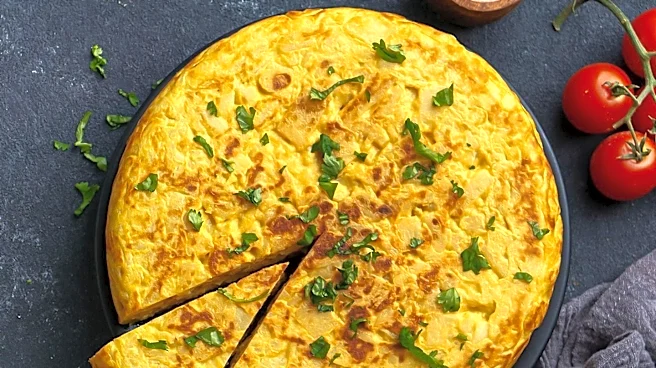
In Spain, the tortilla de patatas is a beloved variation of the omelette, featuring eggs, potatoes, and onions. This hearty dish is often served at room temperature as a tapa, making it a popular choice for social gatherings. The Spanish tortilla is thicker than the French omelette and is typically cooked on both sides, resulting in a firm, satisfying texture.
The Spanish tortilla has become a staple of Spanish cuisine, with regional variations incorporating ingredients such as chorizo, peppers, or spinach. Its simplicity and versatility make it a favorite among home cooks and professional chefs alike.
Japanese Tamagoyaki
Japan offers its own unique take on the omelette with tamagoyaki, a rolled omelette made with eggs, soy sauce, and mirin. This sweet and savory dish is cooked in a rectangular pan, allowing the omelette to be rolled into layers. Tamagoyaki is often served as part of a traditional Japanese breakfast or as a component of sushi.
The preparation of tamagoyaki requires skill and precision, as the layers must be rolled tightly and evenly. This attention to detail reflects the Japanese culinary tradition's emphasis on presentation and technique.
Omelettes are a testament to the creativity and adaptability of culinary traditions worldwide. From the refined French omelette to the hearty Spanish tortilla and the intricate Japanese tamagoyaki, each variation offers a unique glimpse into the culture and flavors of its region.