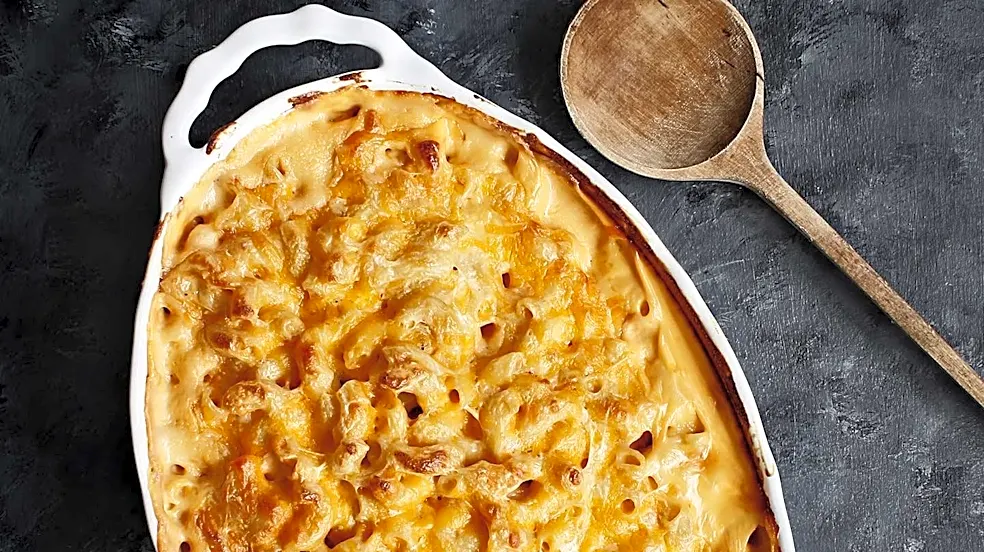






Macaroni and cheese, affectionately known as "mac and cheese" or "mac n cheese," is a dish that transcends mere sustenance, embodying the very essence of comfort food for many, particularly in the United States. This beloved pasta dish, characterized by macaroni enveloped in a rich cheese sauce, most commonly cheddar, has a fascinating cultural trajectory. Its journey from historical European recipes to a modern-day staple highlights its adaptability
and universal appeal.
The Comfort Food Phenomenon
In the United States, macaroni and cheese holds a special place, often described as a quintessential "comfort food." This designation speaks to its ability to evoke feelings of warmth, nostalgia, and satisfaction. It is a common food for children, suggesting its role in early culinary experiences and its association with home and family. The simple yet indulgent combination of pasta and cheese provides a sense of familiarity and ease, making it a go-to dish for many.
The widespread popularity of macaroni and cheese as comfort food is not limited to the U.S. It is generally found in the United Kingdom and North America, indicating a broader cultural acceptance of its comforting qualities. The dish's ability to be both simple to prepare and deeply satisfying contributes to its enduring status as a culinary favorite across these regions.
Traditional and Modern Preparation Methods
The preparation of macaroni and cheese offers both traditional and more contemporary approaches. The classic method involves placing the dish in a casserole and baking it in the oven. This baking process often results in a delightful golden crust and a creamy interior, a texture combination highly prized by enthusiasts. This traditional baked version is a hallmark of homemade macaroni and cheese, allowing the flavors to meld and the cheese to achieve a rich, bubbly consistency.
However, for those seeking a quicker preparation, macaroni and cheese can also be made in a saucepan on top of the stove. This stovetop method typically yields a creamier, more fluid sauce, often preferred for its speed and ease. Regardless of the method, the core components remain: macaroni pasta and a cheese sauce, with cheddar being the most prevalent choice. Some variations incorporate a béchamel sauce as a base, further enriching the dish. The addition of breadcrumbs is also a popular choice, creating a golden crust when baked, adding another layer of texture and flavor.
The Versatility of Macaroni and Cheese
The versatility of macaroni and cheese extends beyond its basic preparation. While the primary ingredients are macaroni and cheese, often cheddar or Gruyère, the dish can be enhanced with various additions. Some variants suggest incorporating a béchamel sauce for a richer base. For those looking to elevate the dish, garnishes like duck or even smoked salmon can be added, transforming it from a simple side dish into a more elaborate meal. This adaptability allows macaroni and cheese to fit a wide range of culinary preferences and occasions, solidifying its place as a beloved and enduring dish.