

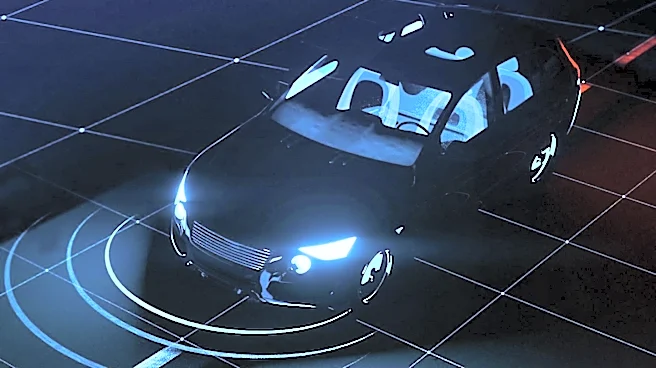


Autonomous cars, also known as self-driving cars, have been a subject of fascination and development for decades. These vehicles operate with minimal or no human input, using advanced sensors and software to navigate roads. The journey of autonomous cars is marked by significant milestones and technological advancements that have shaped their evolution. This article delves into the historical development of autonomous cars, highlighting key moments
and innovations that have brought us closer to a future of driverless vehicles.
Early Beginnings and Initial Concepts
The concept of autonomous vehicles dates back to the early 20th century. In 1925, Houdina Radio Control demonstrated a radio-controlled car in New York City, showcasing the potential for vehicles to operate without direct human control. This early experiment laid the groundwork for future developments in autonomous technology. The idea of automated guided cars was further popularized by Norman Bel Geddes' Futurama exhibit at the 1939 World's Fair, which envisioned radio-controlled electric cars propelled by electromagnetic fields.
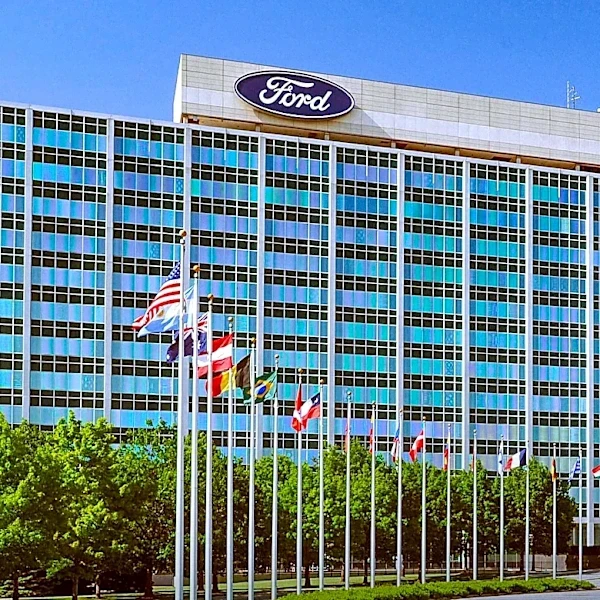
Post-World War II, the development of advanced driver assistance systems (ADAS) began, with cruise control being one of the first such systems. These early innovations set the stage for more sophisticated technologies that would eventually lead to fully autonomous vehicles. The 1950s and 1960s saw major companies like Ford and General Motors experimenting with radar assistance systems and electronic guide systems, further advancing the concept of driverless cars.
Technological Advancements and Milestones
The 1970s and 1980s marked significant progress in autonomous vehicle technology. In 1977, the Japanese Tsukuba Mechanical Engineering Laboratory developed the first self-driving car that operated independently of wires under the road, using video cameras to detect street markings. This innovation demonstrated the potential for autonomous vehicles to navigate complex environments without human intervention.
In the 1980s, Carnegie Mellon University's Navlab project pioneered the use of neural networks to control autonomous vehicles, forming the basis of contemporary control strategies. The 1990s saw further advancements, with the Navlab project completing a cross-country journey, "No Hands Across America," where 98.2% of the trip was autonomously controlled. These milestones highlighted the growing capabilities of autonomous vehicles and their potential to revolutionize transportation.
Modern Developments and Future Prospects
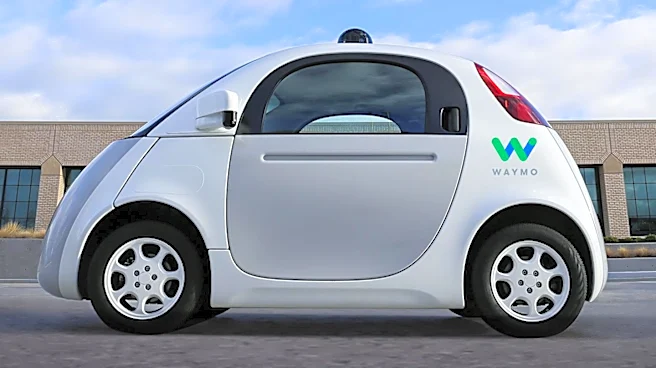
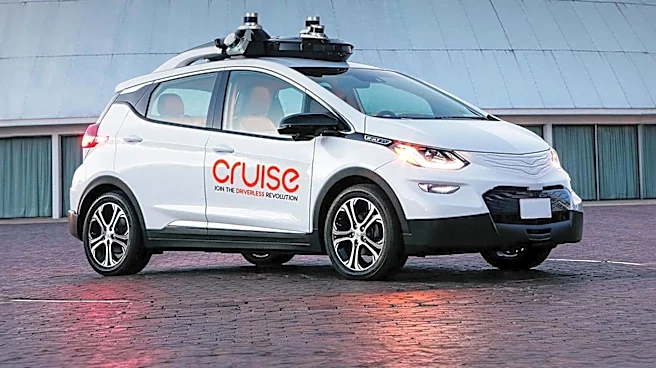
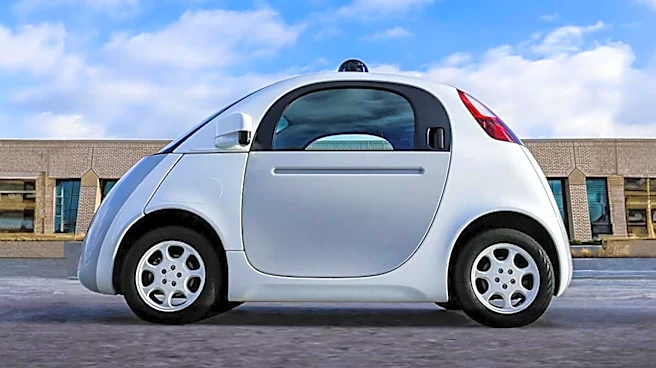
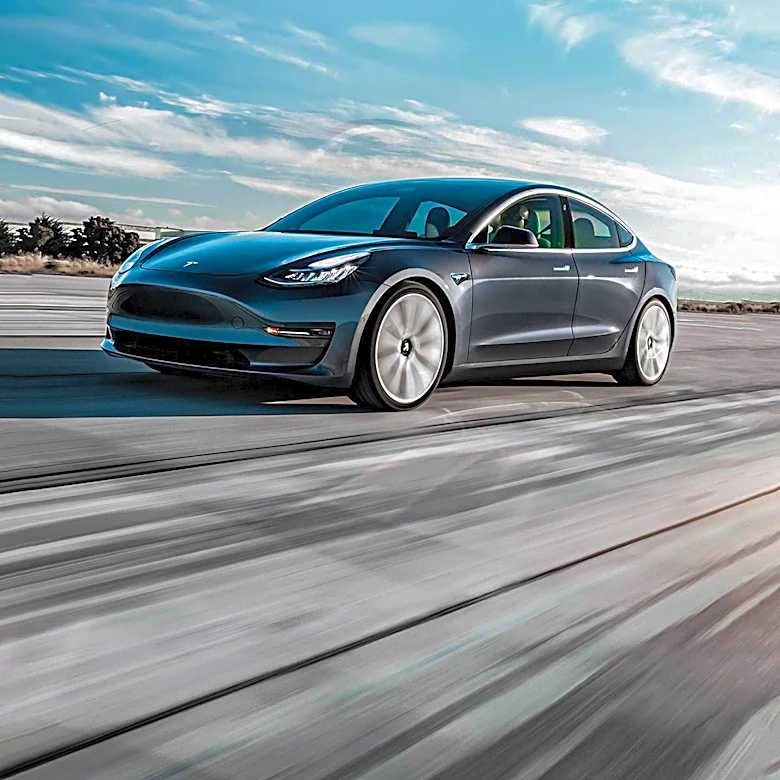
The 21st century has seen rapid advancements in autonomous vehicle technology, driven by major automotive manufacturers and tech companies. Google, now Waymo, began developing self-driving cars in 2009, leading to significant progress in the field. Tesla's Full Self-Driving capabilities and other innovations have further pushed the boundaries of what autonomous vehicles can achieve.
Today, autonomous vehicles are being tested and deployed in various settings, from urban environments to mining operations. The development of sensor fusion techniques, advanced mapping systems, and artificial intelligence has enhanced the accuracy and reliability of autonomous vehicles, bringing us closer to a future where driverless cars are a common sight on our roads. As technology continues to evolve, the potential for autonomous vehicles to transform transportation and improve safety remains a promising prospect.