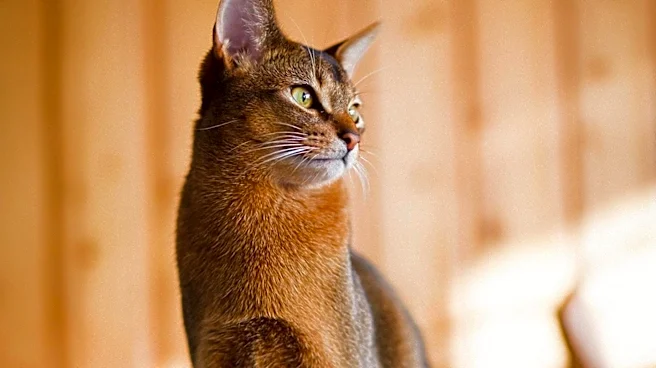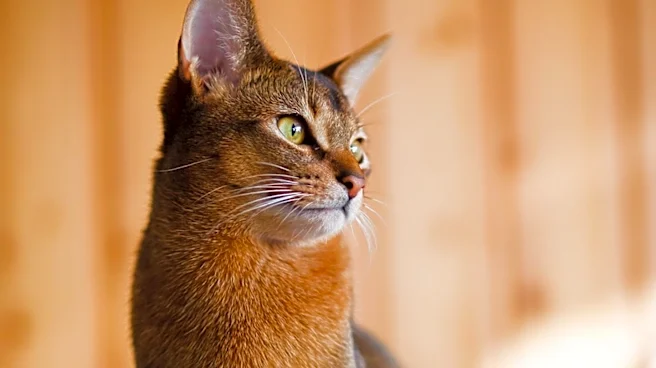



The Abyssinian cat, often simply called an Aby, stands out among feline breeds for its unique "ticked" tabby coat and active, social disposition. This breed boasts a long and fascinating history, with its official recognition dating back to 1929. Developed primarily in the United Kingdom, the Abyssinian has overcome significant challenges, including wartime devastation and disease outbreaks, to become a beloved and standardized breed across the globe.
Its journey from early references in the late 19th century to its current status as a recognized champion breed highlights its enduring appeal and the dedication of its breeders.
Early Origins and Recognition
The Abyssinian is considered one of the oldest established cat breeds, with its roots traceable to at least the 1890s in the United Kingdom. This early presence suggests a considerable period of development and refinement before its formal recognition. The Governing Council of the Cat Fancy (GCCF) officially recognized the Abyssinian breed in 1929, marking a significant milestone in its history. This recognition provided a standardized framework for breeding and showing, helping to solidify the breed's characteristics and ensure its continued development.
Decades later, in 1979, the Abyssinian achieved championship status with The International Cat Association (TICA). This further recognition underscored the breed's growing popularity and acceptance within the international cat fancy community. The consistent efforts of breeders over many years were crucial in establishing the Abyssinian's distinctive traits and securing its place among recognized cat breeds.
Overcoming Adversity: Post-War Revival
The Abyssinian breed faced severe challenges that nearly led to its extinction in the United Kingdom. Following the Second World War, the breed's population was drastically reduced. This period of scarcity was compounded by an outbreak of feline leukemia virus, which further decimated the remaining Abyssinian cats. These events created a critical situation for the breed, threatening its very existence in its primary development region.
To prevent the complete loss of the Abyssinian in the UK, breeders undertook significant efforts to re-establish the population. This involved importing cats from various international locations, including the Netherlands, North America, Scandinavia, Australia, and New Zealand. These imported cats provided new genetic material, helping to rebuild the breed's numbers and genetic diversity. This international collaboration was vital in ensuring the Abyssinian's survival and its subsequent resurgence.
The Somali Connection: A Long-Haired Variant
Interestingly, the history of the Abyssinian is also intertwined with the development of another breed, the Somali cat. The Somali is essentially a long-haired Abyssinian, and its origins can be traced back to Abyssinian litters. The first known long-haired Abyssinian, named 'Raby Chuffa of Selene,' appeared in North America in 1953. Breeders speculate that the long-haired gene was passed down through his ancestry, though how this recessive gene entered the Abyssinian gene pool remains a mystery.
Initially, many Abyssinian breeders were dismayed by the appearance of long-haired kittens and actively tried to keep the gene out of their lines. However, some breeders were intrigued and began to intentionally breed these long-haired Abyssinians. Evelyn Mague, an Abyssinian breeder from the U.S., was instrumental in naming these long-haired variants "Somalis." She sought out other breeders who had also produced long-haired Abyssinians, leading to the formal development and recognition of the Somali breed. The name "Somali" itself is a geographical reference, mirroring the relationship between Somalia and Abyssinia (modern-day Ethiopia), suggesting a close, yet distinct, connection between the two cat breeds.
Distinctive Appearance and Social Nature
Beyond its historical journey, the Abyssinian is celebrated for its striking appearance and engaging personality. Its "ticked" coat, where individual hairs are banded with different colors, gives it a unique wildcat look. This, combined with large, erect ears, contributes to its distinctive aesthetic. Abyssinians are known for being highly social and active cats, often described as being in constant motion, exploring or playing. While not typically