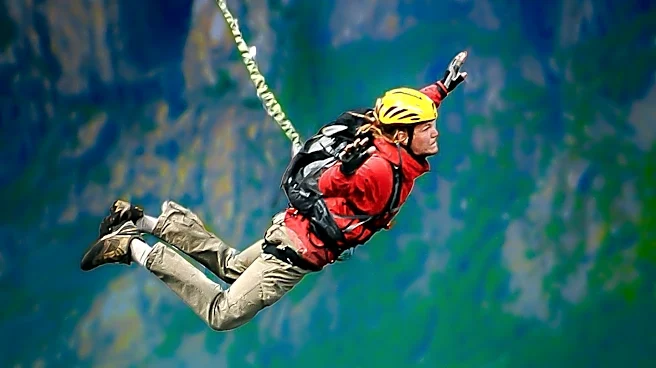








Rope jumping, not to be confused with the more common activity of skipping rope, has carved out a niche as an extreme sport. This activity involves jumping off high cliffs while attached to a long climbing rope, offering thrill-seekers a unique experience. Unlike bungee jumping, rope jumping uses a rope with minimal stretch, allowing for a longer freefall sensation before the rope catches the jumper. This article delves into the evolution of rope jumping as an extreme sport,
its unique characteristics, and the inherent risks involved.
The Origins and Development of Rope Jumping
Rope jumping as an extreme sport has its roots in the adventurous spirit of individuals seeking new ways to experience the thrill of freefall. The sport is distinct from bungee jumping due to the type of rope used. In rope jumping, a climbing rope with little stretch is employed, which provides a longer freefall experience. This difference in equipment has been a significant factor in the sport's development, as it offers a unique sensation that appeals to adrenaline junkies.
The sport requires extensive technical knowledge and preparation to ensure safety. The setup involves a highline-anchor system at the top of a cliff, with the rope-jumper strategically positioning the anchor system to the side of the jump-off point. This setup creates a pendulum trajectory at the bottom of the freefall, which helps absorb the energy of the arrest and reduces the risk of injury.
The Unique Experience of Rope Jumping
Rope jumping offers a distinct experience compared to other extreme sports. The minimal stretch in the climbing rope allows jumpers to enjoy a prolonged sensation of freefall, which is a significant draw for participants. The pendulum effect created by the anchor system adds another layer of excitement, as jumpers swing through the air after the initial drop.
This sport is not for the faint-hearted, as it involves jumping from significant heights and requires a high level of skill and preparation. The thrill of the freefall, combined with the technical challenge of setting up the jump, makes rope jumping a unique and exhilarating experience.
The Risks and Challenges of Rope Jumping
Despite its appeal, rope jumping is considered a very dangerous sport. The need for precise technical setup and the inherent risks of jumping from great heights contribute to its reputation. The sport's founder, Dan Osman, tragically died due to an anchor system failure, highlighting the potential dangers involved.
Other fatalities have occurred in locations like Moab, Utah, where jumpers have attempted to experience the pendulum effect through large arches. These incidents underscore the importance of thorough preparation and technical expertise in minimizing risks. Rope jumping remains a sport that demands respect for its challenges and potential hazards.