




Lipstick has been a staple in the world of cosmetics for centuries, evolving significantly in both form and cultural significance. From its early uses in ancient civilizations to its modern-day iterations, lipstick has played a pivotal role in beauty standards and self-expression. This article explores the historical journey of lipstick, highlighting key developments and cultural shifts that have shaped its use and perception.
Ancient Beginnings
The use of lipstick can be traced back to early civilizations such as the Sumerians and the Indus Valley Civilization. These ancient societies utilized natural resources to create lip color, often using minerals and plant-based dyes. In ancient China, lipsticks made from beeswax were used over a thousand years ago to protect the lips, with scented oils added during the Tang dynasty to enhance appeal. These early forms of lipstick were not just about aesthetics but also served practical purposes, such as protecting the lips from harsh weather conditions.In the 16th century,
lipstick gained popularity in England during the reign of Queen Elizabeth I. Bright red lips paired with a stark white face became fashionable, with lipstick made from beeswax and red plant stains. However, the use of lipstick was largely restricted to the upper class and male actors, as it was considered inappropriate for respectable women to wear makeup.
The 19th and 20th Centuries
The 19th century saw a shift in the perception of lipstick, although it was still frowned upon for everyday wear. Lipstick was colored with carmine dye, extracted from cochineal insects, and was considered theatrical. It wasn't until the late 19th century that commercial lipstick became available, with Parisian Maison Guerlain creating the first commercial lipstick in 1884. This lipstick was made from deer tallow, castor oil, and beeswax, and was sold wrapped in silk paper.The 20th century marked a significant turning point for lipstick. By 1915, lipstick was sold in metal cylinder containers, and the first swivel-up tube was patented in 1923. The acceptance of lipstick grew, with photography and film contributing to its popularity. Iconic figures like Marilyn Monroe and Elizabeth Taylor helped cement lipstick's place in fashion, with red lipstick becoming a symbol of femininity and independence.
Modern Developments
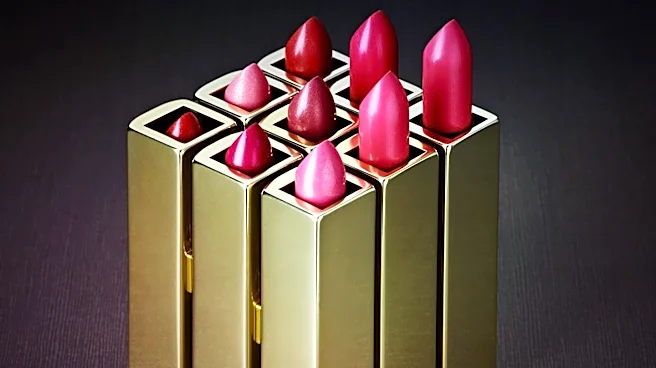
In the latter half of the 20th century and into the 21st century, lipstick continued to evolve. The 1990s saw the rise of semi-matte lipstick shades, with brown tones becoming particularly popular. The late 1990s introduced pearl shades, moving away from matte finishes to shinier options. Today, lipstick comes in a variety of forms, including liquid, gloss, and balm, catering to diverse preferences and styles.Lipstick's journey from ancient times to the present day reflects broader cultural and societal changes. It has transitioned from a luxury item for the elite to a widely accessible product that allows individuals to express their identity and style. As trends continue to evolve, lipstick remains a powerful tool for self-expression and a staple in the world of cosmetics.