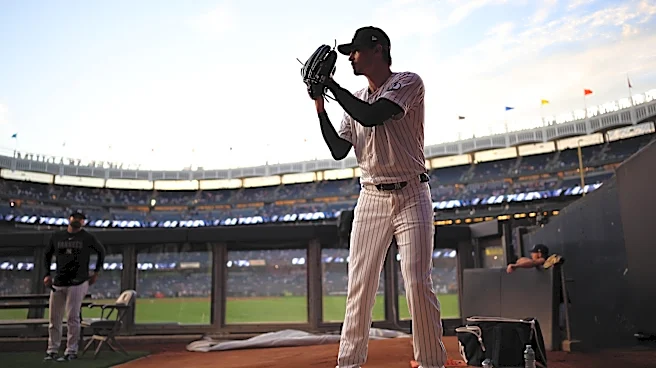





While primarily known as the iconic home of the New York Yankees baseball team for over eight decades, the original Yankee Stadium, which operated from 1923 to 2008, was far more than just a baseball park. Throughout its 85-year existence, "The House That Ruth Built" served as a versatile venue, hosting a wide array of events that cemented its place in New York City's cultural and historical landscape. From intense football rivalries to championship
boxing matches, and even significant religious and musical gatherings, Yankee Stadium played a crucial role in the lives of countless New Yorkers and visitors, showcasing its adaptability and enduring appeal.
Gridiron Battles and Boxing Legends
Yankee Stadium was a prominent stage for American football, particularly for the New York Giants professional football team. From the mid-1950s into the early 1970s, the Giants called the stadium home, bringing the excitement of professional football to the Bronx. Beyond the Giants, the stadium also hosted numerous college football games, contributing to the rich tradition of the sport in the region. The stadium's design, while optimized for baseball, proved capable of accommodating the demands of football, drawing large crowds for these gridiron contests.
In addition to football, Yankee Stadium was a legendary site for boxing. Many historic boxing matches took place within its confines, drawing massive audiences and featuring some of the sport's most iconic figures. These events added another layer to the stadium's sporting legacy, showcasing its ability to transform from a baseball diamond into a grand arena for other major athletic competitions. The roar of the crowd for a home run was often matched by the thunderous applause for a knockout, highlighting the stadium's diverse appeal to sports enthusiasts.
Papal Visits, Concerts, and Community Gatherings
The versatility of Yankee Stadium extended well beyond professional sports. The venue famously hosted significant religious events, including Papal visits. These occasions drew immense crowds, transforming the stadium into a place of spiritual gathering and demonstrating its capacity to serve as a major public assembly point for events of profound community importance. Such visits underscored the stadium's role as a landmark capable of accommodating large-scale, non-sporting functions.
Furthermore, Yankee Stadium was a site for live concerts, bringing musical entertainment to thousands. These events showcased the stadium's ability to adapt to different forms of entertainment, making it a vibrant hub for cultural activities in the Bronx. The stadium's long history, from its opening in 1923 to its closure in 2008, saw it evolve from a baseball-specific venue into a multi-purpose arena that reflected the diverse interests and needs of the New York metropolitan area. Its demolition, completed in 2010, marked the end of an era for a stadium that truly transcended its primary purpose, leaving behind a legacy of varied events that enriched the lives of many.