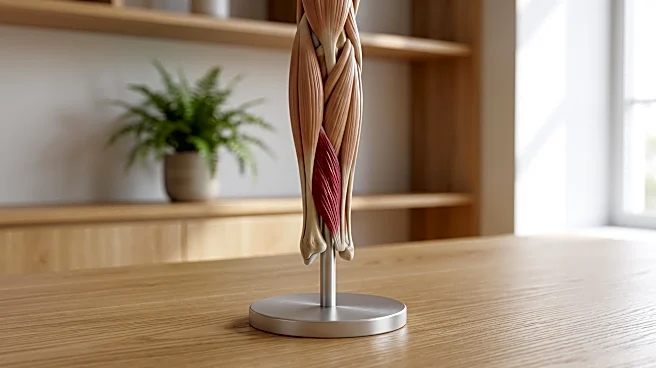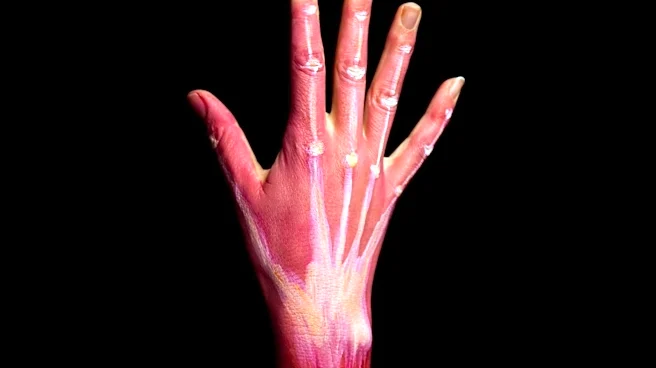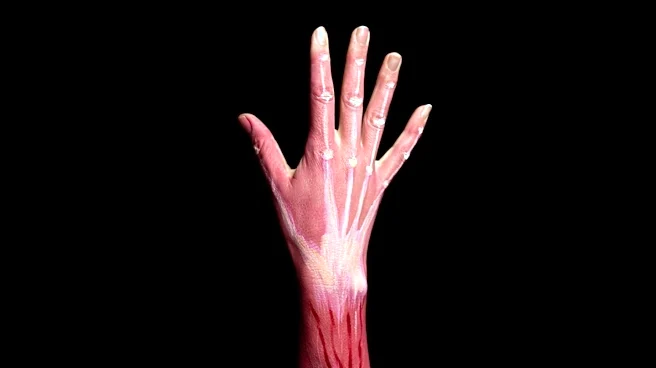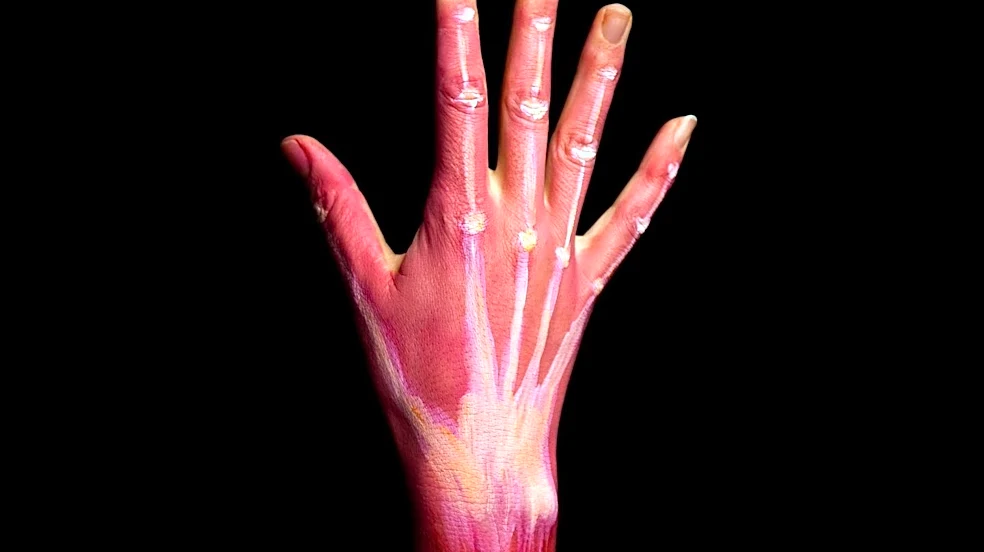








The human hand is a marvel of biological engineering, capable of both immense power and delicate precision. Central to this capability is a network of muscles, each playing a specific role. Among these, the abductor digiti minimi muscle, located along the ulnar edge of the palm, is a key contributor to the dexterity and functional range of the little finger. This muscle, often overlooked in general discussion, is essential for movements that allow
us to interact with our environment, from holding a cup to performing intricate tasks. Its primary action of pulling the little finger away from the others is fundamental to many everyday activities, highlighting its importance in overall hand function.
Facilitating Wide Grips and Object Manipulation
One of the most critical roles of the abductor digiti minimi is its contribution to grasping large objects. When the hand needs to encompass a broad item, the fingers must spread out, or abduct, to maximize contact and secure the grip. The abductor digiti minimi specifically enables the little finger to move away from the ring finger, creating a wider span. This action is performed at the metacarpophalangeal joint, the joint where the finger meets the palm. Without this muscle's ability to abduct the little finger, the effectiveness of a wide grip would be significantly compromised, making it harder to hold items like a large bottle or a basketball.This muscle's involvement in grasping extends beyond just initial contact. It helps maintain the stability of the grip by allowing the little finger to contribute effectively to the overall force distribution. The muscle's spindle-like shape, which forms part of the hypothenar eminence, provides the necessary bulk and leverage for these actions. Its origins from the pisiform bone, pisohamate ligament, and flexor retinaculum provide a strong anchor, allowing it to generate the force needed for effective abduction and stabilization during various manipulative tasks.
Beyond Abduction: A Role in Finger Extension
While its name highlights its abducting function, the abductor digiti minimi also plays a more subtle yet important role in the extension of the little finger. Specifically, it contributes to the extension of the middle phalanx of the little finger. This secondary function is achieved through its intricate connection to the finger's extensor mechanism. This means the muscle doesn't just pull the finger sideways; it also influences how the finger straightens out at its middle joint.This dual functionality is further supported by the fact that some of its tendon fibers insert into the finger's dorsal aponeurosis. This anatomical arrangement allows the abductor digiti minimi to act in a manner similar to a dorsal interosseus muscle, which are known for their roles in both abduction and extension of the fingers. Furthermore, the ulnar-most portion of its tendon inserts into the little finger's digital cord, making the muscle part of a larger structure that not only flexes the metacarpophalangeal joint but also extends the interphalangeal joints. This complex interplay underscores how the abductor digiti minimi is integral to the coordinated and precise movements that define human hand dexterity, all under the control of the deep branch of the ulnar nerve.