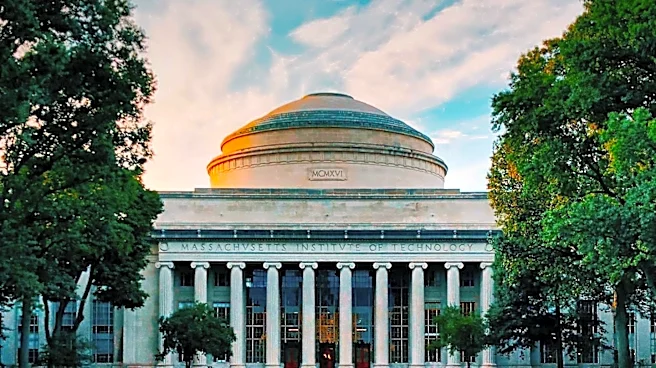










Massachusetts, officially known as the Commonwealth of Massachusetts, has undergone a remarkable economic transformation throughout its history. From its early days as an agricultural society to its pivotal role in the American Industrial Revolution, and then to its modern standing as a global leader in biotechnology and artificial intelligence, the state has consistently adapted and innovated. This evolution reflects a dynamic interplay of historical
events, technological advancements, and strategic investments that have shaped its economic landscape and cemented its reputation as a hub of progress.
From Agriculture to Industrial Powerhouse
During the 19th century, Massachusetts emerged as a national leader in the American Industrial Revolution. Its economy shifted dramatically from being primarily agricultural to heavily industrial. Factories in cities like Lowell and Boston became centers for textile and shoe production, while areas around Springfield focused on manufacturing tools, paper, and textiles. This industrial growth was initially powered by water, and later by steam engines, which fueled the burgeoning factories. The development of canals and railroads played a crucial role in transporting raw materials to these factories and distributing finished goods across the region and beyond. The workforce for these new industries initially came from local Yankees on subsistence farms, but as demand grew, the state increasingly relied on immigrant labor from Europe and Canada.
The Decline of Traditional Industries and the Rise of a Service Economy
The early 20th century brought significant challenges to Massachusetts's industrial economy. Competition from the American South and Midwest, coupled with the devastating impact of the Great Depression, led to a collapse in the state's three main industries: textiles, shoemaking, and precision mechanics. This decline continued for much of the century. For instance, between 1950 and 1979, the number of residents employed in textile manufacturing plummeted from 264,000 to 63,000. The closure of the Springfield Armory in 1969 was a particularly hard blow, leading to a significant loss of high-paying jobs in Western Massachusetts, which experienced substantial de-industrialization in the latter half of the century.
Following World War II, the economy of eastern Massachusetts began a significant shift from heavy industry to a service-based model. This transformation was driven by a combination of government contracts, private investment, and the growth of research facilities. This new industrial climate led to reduced unemployment and increased per capita income. Suburbanization flourished, and by the 1970s, the Route 128/Interstate 95 corridor became a prominent hub for high-tech companies. These companies actively recruited graduates from the area's numerous elite institutions of higher education, establishing a strong link between academia and industry.
Modern Economic Strengths and Future Outlook
In the 21st century, Massachusetts has solidified its position as a global leader in several key sectors. Biotechnology stands out as a primary strength, alongside artificial intelligence, engineering, higher education, finance, and maritime trade. The state's economy is robust, with a gross state product estimated at $820.104 billion and a per capita personal income of $97,456 in 2025. In 2015, twelve Fortune 500 companies were headquartered in Massachusetts, including Liberty Mutual, TJX Companies, and General Electric. The state has consistently been recognized for its innovation, ranking as the most innovative state in America by Bloomberg for two consecutive years in 2016. Furthermore, Massachusetts boasts a high concentration of millionaires per capita, indicating significant wealth generation. The Route 128 corridor and Greater Boston continue to attract substantial venture capital investment, reinforcing the state's role as a high-technology center. Tourism also plays an increasingly vital role, with Boston, Cape Cod, Salem, Plymouth, and the Berkshires being popular destinations, making Massachusetts the sixth-most popular tourist destination for foreign travelers. While manufacturing now comprises less than 10% of the gross state product, the Commonwealth still ranks 16th nationally in total manufacturing output, producing diverse goods such as medical devices, specialty chemicals, and electronics equipment. The state's commitment to economic growth is further evidenced by its high ranking in various metrics, including healthcare, education, and overall economy, as recognized by U.S. News & World Report in 2017.