








The fatal shooting of Justine Damond by Minneapolis police officer Mohamed Noor on July 15, 2017, had far-reaching social and cultural repercussions. The incident not only sparked protests and calls for police reform but also highlighted issues of race and justice in the United States.
Community Reaction and Protests
The shooting of Justine Damond, a white woman, by Mohamed Noor, a Somali-American officer, led to widespread protests in Minneapolis and beyond. The incident occurred
shortly after the acquittal of another officer in the high-profile case of Philando Castile, exacerbating existing tensions over policing in the Minneapolis-Saint Paul metropolitan area.
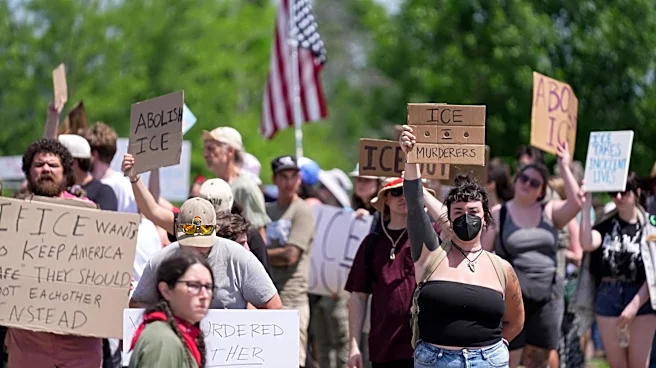
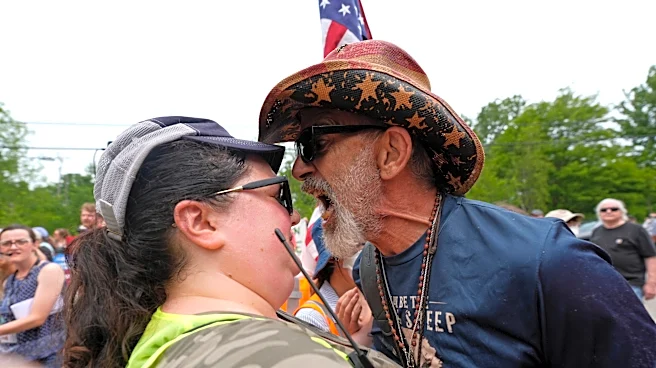
Protesters gathered to demand justice for Damond and greater accountability for police officers. Vigils and marches were held, with participants calling for changes in police practices and the use of body cameras. The protests were supported by local chapters of Black Lives Matter and the NAACP, highlighting the intersection of race and justice in the case.
Race and Justice
The case of Justine Damond brought to the forefront discussions about race and justice in the United States. Noor's conviction was seen by some as a reflection of racial biases in the legal system, with critics arguing that Noor, a black officer, was treated more harshly because the victim was white.
Civil rights activists pointed to the disparity in outcomes between Noor's case and other cases involving white officers and black victims. The case was compared to the acquittals of officers involved in the deaths of Philando Castile and Jamar Clark, raising questions about racial equity in the justice system.
Calls for Police Reform
The shooting of Justine Damond led to calls for police reform in Minneapolis and across the country. The incident highlighted the need for better training and accountability for police officers, particularly in the use of deadly force.
The case also underscored the importance of body cameras, as neither officer had their cameras activated during the shooting. This lack of video evidence fueled public outrage and demands for changes in police policies regarding the use of body cameras.
Overall, the death of Justine Damond served as a catalyst for discussions about race, justice, and police reform. It highlighted the complexities of policing in diverse communities and the need for systemic changes to ensure accountability and equity in law enforcement.