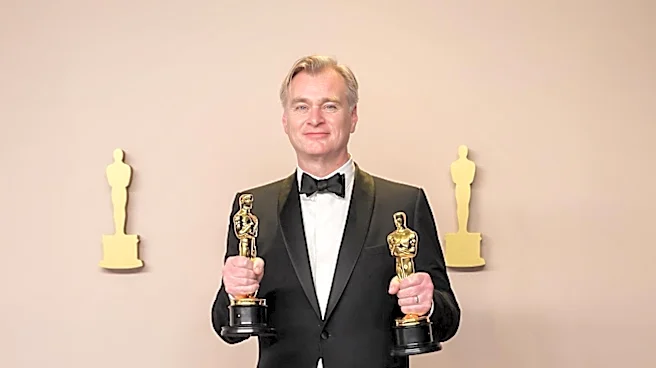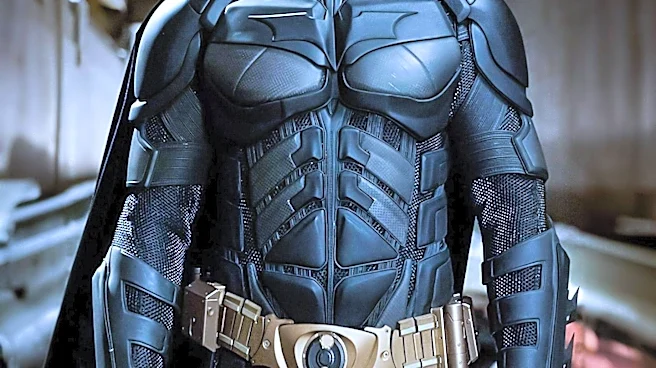





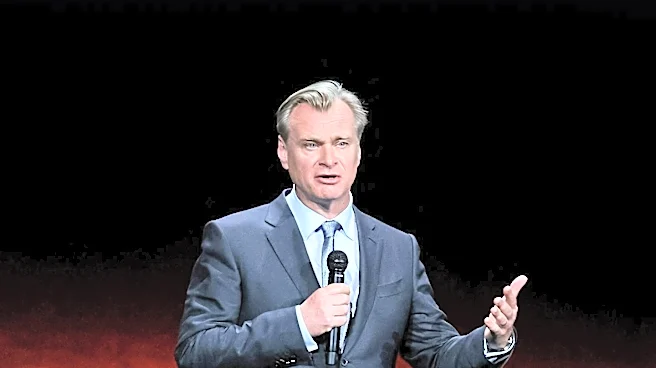

The Dark Knight, directed by Christopher Nolan, is widely regarded as a cinematic masterpiece, praised for its artistic elements that elevate it beyond the typical superhero film. Released in 2008, it is the second film in Nolan's Batman trilogy and features a combination of compelling performances, innovative direction, and a memorable score that contribute to its enduring legacy.
Direction and Cinematography
Christopher Nolan's direction in The Dark Knight is a key factor in its
success. Known for his meticulous attention to detail and ability to craft complex narratives, Nolan brought a sense of realism and depth to the film. The movie's opening sequence, featuring the Joker's bank heist, sets the tone for the film's gritty and intense atmosphere.
Cinematographer Wally Pfister's work complements Nolan's vision, capturing the dark and moody aesthetic of Gotham City. The use of IMAX cameras for certain scenes added a grand scale to the film, immersing audiences in the action and enhancing the visual experience. Pfister's ability to balance the film's dark tones with moments of visual clarity contributed to its critical acclaim.
Performances
The performances in The Dark Knight are another standout element. Christian Bale reprises his role as Batman, delivering a nuanced portrayal of the conflicted hero. However, it is Heath Ledger's performance as the Joker that steals the show. Ledger's interpretation of the iconic villain is both terrifying and captivating, earning him a posthumous Academy Award for Best Supporting Actor.
Ledger's Joker is unpredictable and chaotic, embodying the film's themes of anarchy and moral ambiguity. His performance is complemented by strong supporting roles from Michael Caine, Gary Oldman, and Aaron Eckhart, each adding depth to the film's complex narrative. The ensemble cast's chemistry and commitment to their roles contribute to the film's success.
Music and Sound
The Dark Knight's score, composed by Hans Zimmer and James Newton Howard, is integral to the film's impact. The music enhances the tension and drama, with Zimmer's use of unconventional techniques, such as razor blades on string instruments, creating a haunting soundscape for the Joker's theme.
The score's ability to evoke emotion and complement the film's narrative is a testament to Zimmer and Howard's collaboration. The music not only supports the film's action sequences but also underscores the psychological depth of the characters, adding another layer to the film's artistic achievement.
In conclusion, The Dark Knight's combination of innovative direction, compelling performances, and a memorable score make it a standout film in the superhero genre. Its artistic elements contribute to its status as a cinematic masterpiece, influencing both the film industry and popular culture.