







The U.S. Environmental Protection Agency (EPA) plays a pivotal role in ensuring that vehicles meet specific emissions and fuel economy standards. Through rigorous testing procedures, the EPA evaluates the performance of passenger cars, providing consumers with reliable data and helping to regulate the automotive industry. This article explores the EPA's methods and responsibilities in fuel economy testing.
EPA Testing Procedures
The EPA's testing procedures are designed to simulate real-world driving conditions as closely as possible. The agency uses the FTP-75 driving cycle to measure tailpipe emissions and fuel economy. This cycle, which represents city driving conditions, has been a standard since 1975. It involves a series of tests that capture emissions during different phases of vehicle operation, including cold and warm starts.Manufacturers conduct initial tests on their
vehicles, often using pre-production prototypes. They report these results to the EPA, which then selects a portion of the vehicles for confirmation testing at the National Vehicles and Fuel Emissions Laboratory. This process ensures that the data provided by manufacturers is accurate and reliable.
Electric Vehicles and MPGe
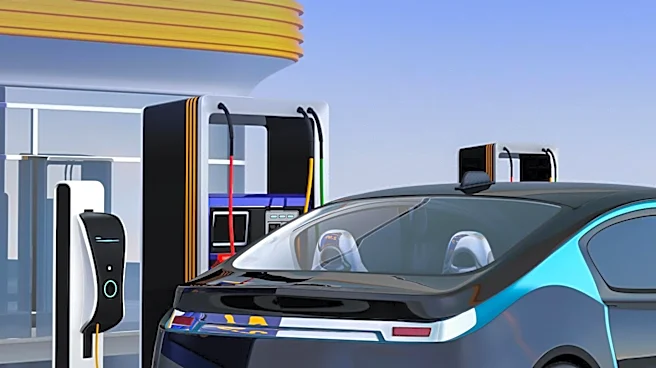
For electric vehicles (EVs), the EPA uses a different metric known as miles per gallon gasoline equivalent (MPGe). This measure allows for a direct comparison between electric and gasoline vehicles by converting the energy consumption of EVs into a gasoline equivalent. The EPA's formula equates 33.7 kWh of electricity to one gallon of gasoline, providing a standardized way to evaluate the efficiency of electric vehicles.Real-world EV efficiency can also be expressed in miles per kilowatt-hour (mi/kWh), which offers a more direct measure of electrical energy consumption. This metric helps consumers understand the efficiency of electric vehicles in terms they can relate to traditional fuel economy measures.
Challenges and Innovations
One of the challenges the EPA faces is the discrepancy between laboratory test results and real-world fuel efficiency. Factors such as electrical loads, climate control, and driving behavior can all impact a vehicle's performance outside of controlled testing environments. To address this, the EPA has expanded its testing procedures to include additional cycles that account for these variables.The EPA's commitment to accurate and comprehensive testing is crucial for maintaining environmental standards and promoting fuel efficiency. By continually refining its methods and adapting to new technologies, the EPA ensures that consumers have access to reliable information about vehicle performance. This transparency helps drive innovation in the automotive industry and supports efforts to reduce emissions and improve fuel economy.