


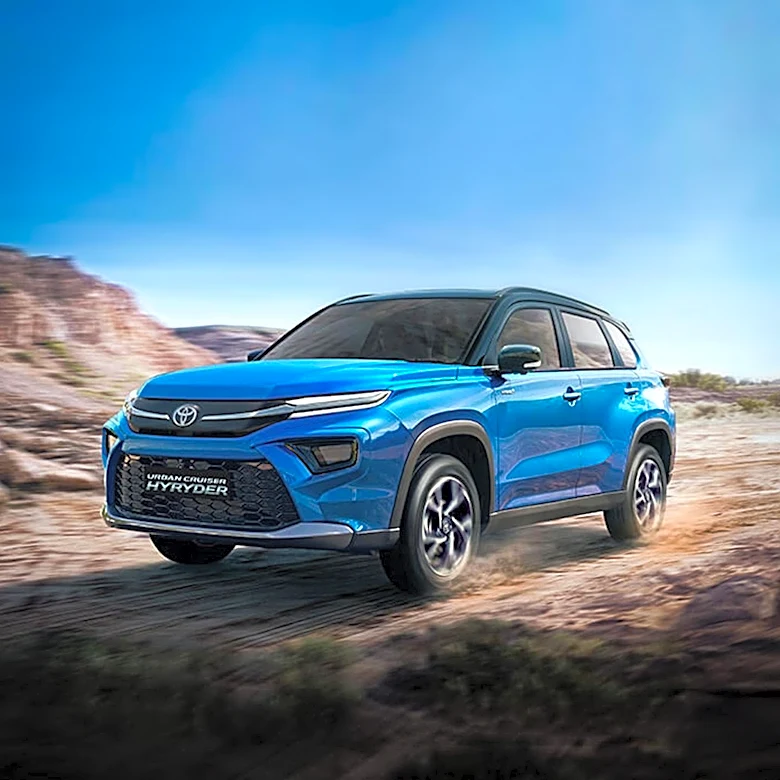


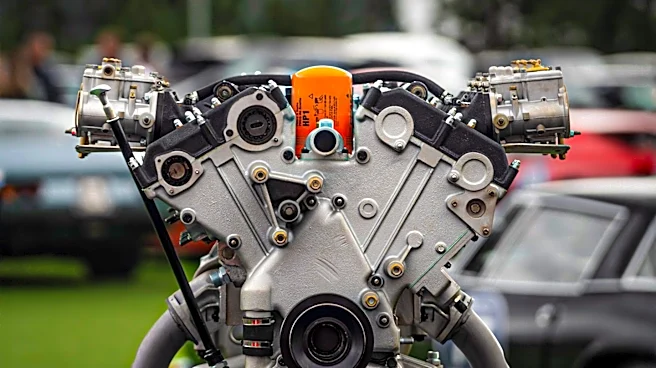
Off-road vehicles are designed to tackle challenging terrains, and one of the key components that enable them to do so effectively is the locking differential. This mechanical component forces both wheels on an axle to rotate at the same speed, providing a significant traction advantage in conditions where the traction under each wheel differs. This article explores the role of locking differentials in enhancing off-road vehicle performance.
Enhancing Traction in Challenging Conditions
Locking
differentials are particularly beneficial in off-road environments where surfaces can be uneven and traction can vary significantly between wheels. By locking the wheels together, a vehicle can maintain forward momentum even if one wheel loses traction. This is crucial for navigating obstacles such as rocks, mud, or steep inclines, where one wheel might be on a slippery surface while the other is on solid ground.
In contrast to open differentials, which allow wheels to rotate at different speeds, locking differentials ensure that both wheels receive the necessary torque to keep moving. This prevents situations where one wheel spins freely while the other remains stationary, a common issue in off-road driving.
Methods of Engaging Locking Differentials
Locking differentials can be engaged in several ways, depending on the vehicle's design and the driver's preference. Mechanical engagement involves using a lever or cable, providing a direct and reliable method of locking the differential. Hydraulic systems use fluid pressure to move a locking collar, offering smooth operation. Electrical systems employ a switch to activate a solenoid or actuator, providing convenience and integration with other electronic controls.
Some vehicles feature automatic systems that engage the differential lock based on torque and speed thresholds, allowing the driver to focus on navigating the terrain without manually engaging the lock.
Off-Road Performance Benefits
The ability to lock the differential is a significant advantage for off-road vehicles, as it enhances their ability to tackle difficult terrains. By ensuring both wheels on an axle rotate at the same speed, locking differentials provide the traction needed to overcome obstacles and maintain control.
In addition to improving traction, locking differentials can also enhance stability and control in off-road conditions. By preventing wheel slippage, they help maintain the vehicle's balance and direction, reducing the risk of getting stuck or losing control.
Overall, locking differentials are a vital component for off-road vehicles, offering the traction and stability needed to navigate challenging terrains effectively.