





Rio de Janeiro stands as a vibrant cultural beacon, not just for Brazil but for the world. Its identity is deeply intertwined with a rich array of traditions, artistic expressions, and iconic landmarks that have captivated global audiences. From the pulsating rhythms of samba to the serene beauty of its beaches and the majestic presence of its most famous statue, Rio offers a unique blend of historical depth and contemporary dynamism. This article
explores the key cultural elements that define Rio de Janeiro, showcasing its enduring appeal and significance.
Carnival, Samba, and Bossa Nova: The Sound of Rio
At the heart of Rio de Janeiro's cultural identity are its world-renowned musical and celebratory traditions. Carnival, an annual spectacle of color, music, and dance, is perhaps the city's most famous cultural event, drawing millions of visitors and participants. This grand celebration is inextricably linked with samba, a musical genre and dance form that originated in Brazil and is central to Carnival parades and everyday life in Rio. Beyond the energetic beats of samba, Rio is also the birthplace of bossa nova, a softer, more melodic style of Brazilian music that emerged in the late 1950s. These musical forms not only entertain but also tell stories of the city's history, its people, and its spirit, making them fundamental to its cultural tapestry.
Iconic Landmarks and Natural Beauty
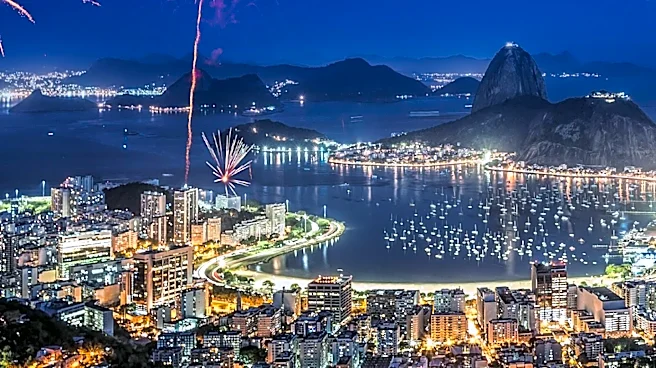
Rio de Janeiro's cultural landscape is also defined by its breathtaking natural beauty and man-made marvels. The city is famous for its stunning beaches, such as Copacabana and Ipanema, which are not merely stretches of sand but vibrant social hubs and symbols of the Carioca lifestyle. These beaches have inspired countless songs and stories, becoming integral to the city's image. Dominating the skyline is the Christ the Redeemer statue, an art deco colossal statue of Jesus Christ overlooking the city from Corcovado Mountain. This iconic monument is not only a symbol of Christianity but also a global emblem of Rio de Janeiro and Brazil, attracting visitors from all corners of the globe and offering panoramic views of the city's unique geography.
A Historical and Economic Cultural Hub
Beyond its immediate cultural attractions, Rio de Janeiro's role as a historical, cultural, and economic center of Brazil further solidifies its importance. The city was the capital of Brazil until 1960, a period during which many of its cultural institutions and traditions were established and flourished. Even after the capital moved to Brasília, Rio retained its status as a significant cultural hub. The Greater Rio de Janeiro metropolitan area, with its 12 million inhabitants, continues to be a focal point for artistic expression, education, and economic activity, reinforcing its position as a dynamic and influential city. Major educational institutions, including the Federal University of Rio de Janeiro and the Rio de Janeiro State University, contribute to the intellectual and cultural vibrancy of the region, fostering new generations of artists, thinkers, and innovators.