








Mushroom foraging is a rewarding activity that connects people with nature and provides a source of fresh, wild food. However, it comes with the critical responsibility of correctly identifying mushrooms to avoid consuming toxic varieties. This guide explores the methods used in mushroom identification and emphasizes the importance of safety in foraging.
The Basics of Mushroom Identification
Identifying mushrooms requires a keen eye and attention to detail. The process begins with observing
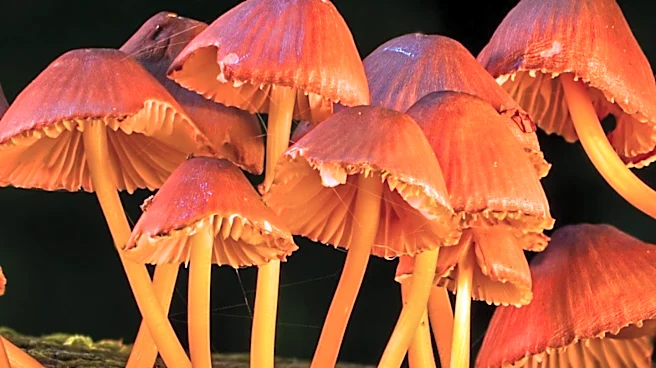
the mushroom's macroscopic features, such as the shape, color, and size of the cap and stem. The presence or absence of gills, pores, or spines on the underside of the cap is also crucial. These features can vary widely among different species, making each mushroom unique.
One of the most reliable methods for identification is the spore print. By placing a mushroom cap gill-side down on a piece of paper, the spores fall and create a print that reveals the color of the spores. This color is a key characteristic used to differentiate between species. For example, spore prints can be white, brown, black, or pink, but rarely blue, green, or red.
Advanced Techniques and Safety Precautions
While basic identification can be done in the field, some mushrooms require more advanced techniques. Microscopic examination of spores and other structures can provide additional information needed to distinguish between similar species. Chemical tests may also be used for certain genera, adding another layer of accuracy to the identification process.
Safety is paramount when foraging for mushrooms. Many edible species have toxic look-alikes, making it essential to be certain of a mushroom's identity before consumption. Tasting or smelling mushrooms can be hazardous due to the presence of poisons and allergens. Therefore, it is advisable to consult multiple sources, such as field guides and expert opinions, when identifying mushrooms.
The Cultural Significance of Mushroom Foraging
Mushroom foraging is more than just a means of obtaining food; it is a cultural tradition in many parts of the world. In Slavic and Baltic countries, mushroom hunting is a family activity, with people gathering in forests to collect mushrooms after a rain. This tradition is deeply rooted in the culture, with festivals and events celebrating the practice.
In addition to its cultural significance, mushroom foraging has ecological benefits. By collecting mushrooms, foragers help spread spores, contributing to the propagation of fungi in the ecosystem. This activity also fosters a deeper appreciation for nature and the intricate relationships within ecosystems.
In conclusion, mushroom identification is a vital skill for safe and enjoyable foraging. By understanding the methods and precautions involved, foragers can confidently explore the world of mushrooms while respecting their cultural and ecological importance.