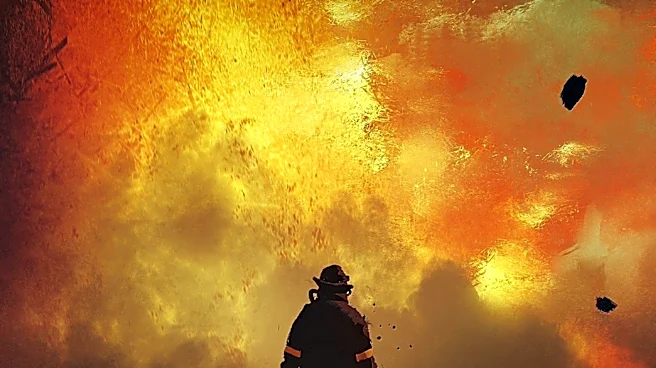





The Great Fire of New York, a significant event during the American Revolutionary War, ravaged a substantial portion of New York City on the night of September 21, 1776. This devastating blaze occurred on the west side of Manhattan, within the city's former boundaries, shortly after the British Army had taken control of the city. The fire's timing and location, amidst the turmoil of war and occupation, made it a particularly impactful disaster, leaving
a lasting mark on the city and its inhabitants.
The Setting: British Occupation and Revolutionary Tensions
The fire erupted at a critical juncture in the American Revolutionary War. Just prior to the blaze, General George Washington's forces had suffered a defeat at the Battle of Long Island, leading to their evacuation and the subsequent British occupation of New York City. This period was marked by intense military activity and a city under new, hostile control. The British presence meant that the city was a strategic prize, and its condition, whether intact or destroyed, held significant implications for both sides of the conflict.
The occupation itself brought a new dynamic to the city. With the British in charge, the loyalties of the remaining population were divided, and the city became a hub for military operations. The fire, therefore, was not just a natural disaster but an event deeply intertwined with the ongoing war, its causes and consequences debated by those who lived through it and historians who studied it.
Debated Origins: Washington's Men or British Intent?
The exact cause of the Great Fire of New York remains a subject of historical debate, with two primary theories emerging from the period. One perspective suggests that Washington's men, having recently lost the Battle of Long Island and retreating from the city, deliberately started the fire. The motivation behind such an act would have been to hinder British operations, particularly by disrupting their ability to ship materials and establish a firm base in the newly captured city. This would have been a strategic move to deny resources and shelter to the enemy.
Conversely, another theory posits that the British Army itself was responsible for igniting the blaze. Proponents of this view suggest that the British might have intended to burn specific structures, such as Whitehall, for their own strategic reasons. The chaos of war often leads to destruction, and whether accidental or intentional, the fire served to further destabilize an already volatile situation. The lack of definitive evidence has allowed both theories to persist, highlighting the confusion and suspicion prevalent during wartime.
Devastation and Aftermath: A City Transformed
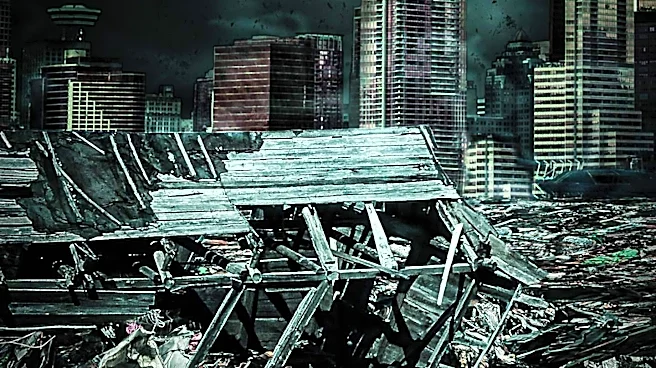
Regardless of its origin, the Great Fire of New York inflicted immense damage upon the city. Estimates suggest that between 10% and 25% of New York City was destroyed, a significant portion that dramatically altered the urban landscape. This destruction encompassed a wide range of structures, from homes to businesses, leaving many residents without shelter and disrupting the city's infrastructure.
In the wake of the fire, the difficulties for war refugees were exacerbated. Many individuals had sought refuge in New York City to escape the Rebel forces elsewhere, only to find themselves facing a new crisis of homelessness and displacement. The unburned parts of the city also suffered, with reports indicating that some areas were ransacked, adding to the general disorder and hardship. The fire thus contributed to a period of profound instability and suffering for the city's population, reshaping its physical and social fabric during a tumultuous era.