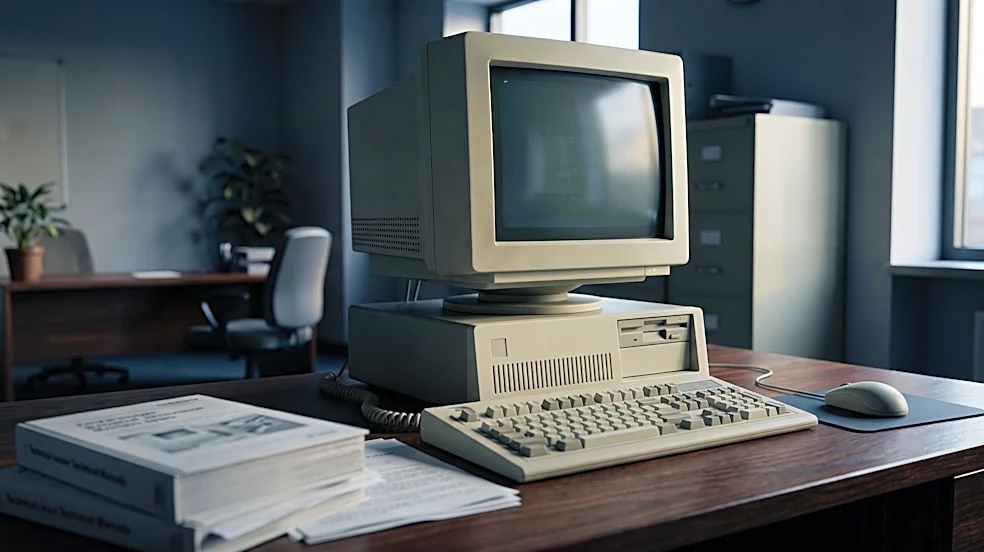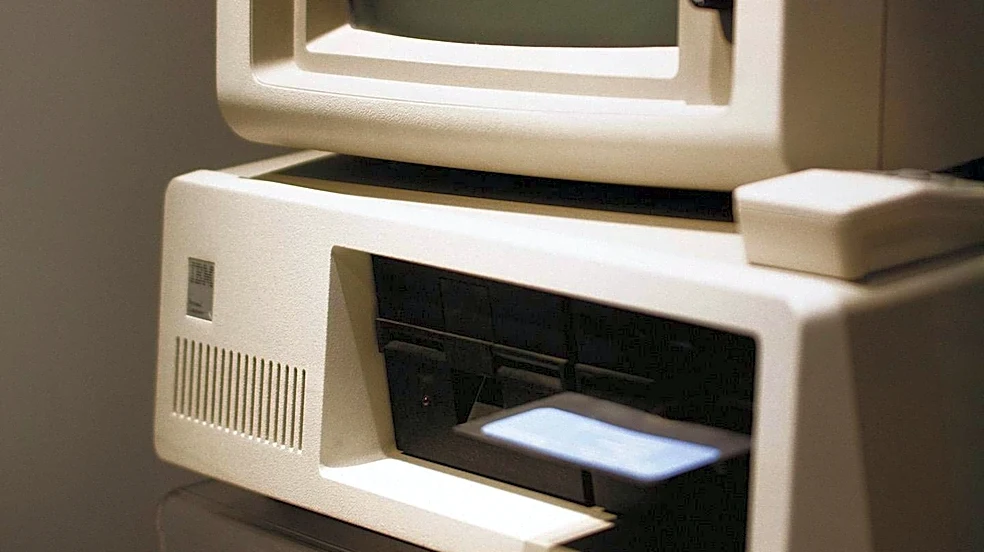









IBM PC DOS, a name that became synonymous with early personal computing, emerged from a pivotal decision made by IBM in the early 1980s. When the IBM task force set out to develop the IBM Personal Computer, they made a radical departure from the company's long-standing tradition of in-house development. Instead of building every component internally, they opted to source critical elements, including the operating system, from outside vendors. This
strategic choice was not just a minor operational shift; it was a foundational decision that would profoundly influence the trajectory of the personal computer industry, ultimately helping to establish the IBM PC as a dominant industry standard. The operating system that would become IBM PC DOS was developed by Microsoft, a relatively young company founded by Bill Gates just five years prior.
A Strategic Outsourcing Decision
The decision by IBM to seek external vendors for key components, particularly the operating system, was driven by internal considerations. A significant factor was IBM's history of legal challenges related to intellectual property. The company had faced costly lawsuits from individuals claiming IBM had stolen their software. To mitigate this risk, IBM wanted to avoid having its own programmers work directly on code that belonged to another entity, which could lead to accusations of theft. This led to the proposition that the operating system product should clearly belong to another company, making Microsoft an ideal partner.
Negotiations between IBM and Microsoft began in July 1980, with the official paperwork signed in early November of the same year. IBM's approach was clear: they wanted Microsoft to retain full ownership of the software it developed for the PC. IBM's involvement was limited to offering suggestions from a distance, rather than direct collaboration on the code itself. This hands-off approach was a deliberate strategy to protect IBM from potential intellectual property disputes, ensuring that the operating system was unequivocally Microsoft's product.
The Rise of PC DOS and Market Dominance
Despite offering alternative operating systems for the IBM PC, such as CP/M-86 and UCSD p-System, IBM anticipated that most customers would choose PC DOS. This expectation proved to be accurate. CP/M-86, for instance, became available six months after PC DOS, but its higher price point likely contributed to its lower adoption rate. A survey conducted during that period revealed that a significant majority, 96.3% of IBM PCs, were ordered with the $40 PC DOS, compared to a mere 3.4% opting for the $240 CP/M-86. This early market preference solidified PC DOS's position as the de facto operating system for the IBM PC.
Over time, the development of IBM PC DOS evolved into a joint effort between IBM and Microsoft. By the completion of PC DOS 3.0, IBM had established its own dedicated team of developers covering the entire operating system. This marked a shift where either IBM or Microsoft would fully develop subsequent versions. By 1985, a joint development agreement (JDA) was in place, under which each company would provide the other with a completely developed version of PC DOS. While branded versions were often identical, there were instances where minor modifications were made by each company to their respective versions. This collaborative yet distinct development process underscored the complex relationship between the two technology giants as they shaped the early personal computing landscape.
Evolving Development and Collaboration
The relationship between IBM and Microsoft extended beyond just the operating system. In the fall of 1984, IBM shared the source code and documentation for its internally developed IBM TopView for DOS with Microsoft. This gesture was intended to provide Microsoft with a deeper understanding of how to create an object-oriented operating environment, featuring overlapping windows and multitasking capabilities. This knowledge transfer was crucial for Microsoft's own development of Windows 2.0, demonstrating a significant level of cooperation and shared vision in advancing graphical user interfaces and multitasking for personal computers. This exchange highlights the intricate web of collaboration and competition that characterized the early days of the PC industry, with IBM PC DOS at its core.