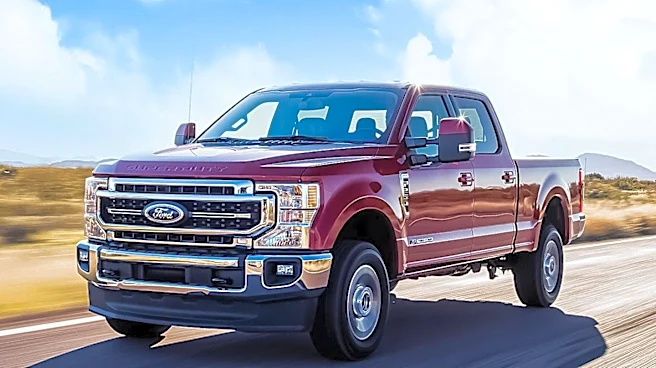







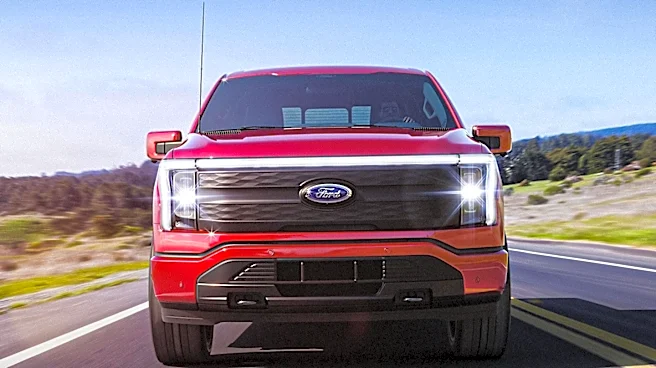
The Ford F-Series is a line of full-size pickup trucks that has been a staple in the American automotive landscape since its introduction in 1948. Over the decades, the F-Series has undergone numerous transformations, adapting to changing consumer needs and technological advancements. This article provides a historical overview of the F-Series, highlighting key developments from its inception to the thirteenth generation.
The Early Years: 1948 to 1960
The Ford F-Series was introduced
in 1948 as a replacement for Ford's previous car-based pickup line. Known as the Ford Bonus-Built, the first generation of the F-Series was available in eight different weight ratings, catering to a wide range of commercial and personal uses. This generation marked a significant departure from previous designs, as it was built on a dedicated truck platform rather than a modified car chassis.
In 1953, the second generation of the F-Series was launched, featuring increased dimensions, improved engines, and an updated chassis. This generation introduced the now-familiar three-number model nomenclature, with the F-100, F-250, and F-350 designations. The third generation, introduced in 1957, saw a significant modernization with integrated front fenders and the introduction of factory four-wheel-drive pickups in 1959.
Mid-Century Innovations: 1961 to 1980
The fourth generation of the F-Series, launched in 1961, introduced a new style of pickup that was longer and lower than its predecessors. This generation offered an optional unibody design, which integrated the cab and bed into a single structure. However, the unibody proved unpopular and was discontinued after 1963. In 1965, the F-Series received a significant redesign, introducing the "Twin I-Beam" front suspension, which continued to be used in various forms for decades.
The fifth generation, introduced in 1967, built on the platform of the previous generation but offered increased dimensions and more luxurious trim levels. The sixth generation, launched in 1973, featured significant modernization, including front disc brakes and increased use of galvanized steel. This generation also saw the introduction of the F-150 in 1975, which was positioned between the F-100 and F-250 to avoid certain emission control restrictions.
Modernization and Expansion: 1980 to Present
The seventh generation of the F-Series, introduced in 1980, marked the first ground-up redesign since 1965. This generation featured a completely new body and chassis, with improved aerodynamics to enhance fuel economy. The eighth generation, launched in 1987, introduced composite headlights and marked the transition to fuel-injected engines, making the F-Series the first American pickup truck line sold without a carbureted engine option.
The ninth generation, introduced in 1992, continued to build on the success of its predecessors with design elements borrowed from the Ford Explorer and Ranger. The tenth generation, launched in 1997, saw a significant redesign with a more contemporary look and the introduction of the SuperCrew cab configuration.
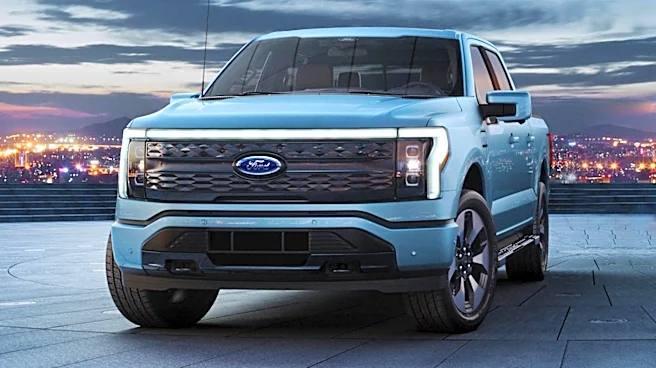
The thirteenth generation, introduced in 2015, marked a significant shift with the extensive use of aluminum to reduce curb weight. This generation also introduced advanced safety features and driver assistance technologies, solidifying the F-Series' position as a leader in the pickup truck market.
Conclusion
The Ford F-Series has evolved significantly since its introduction in 1948, adapting to changing consumer preferences and technological advancements. From its early days as a utilitarian workhorse to its current status as a technologically advanced and versatile vehicle, the F-Series has remained a dominant force in the American automotive industry. As Ford continues to innovate and expand the F-Series lineup, it is clear that this iconic line of trucks will continue to play a significant role in the automotive landscape for years to come.