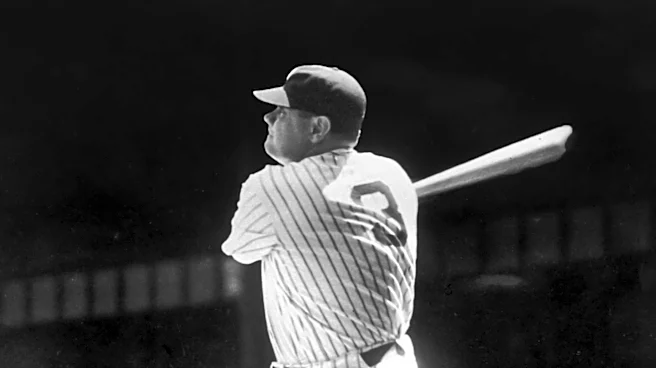


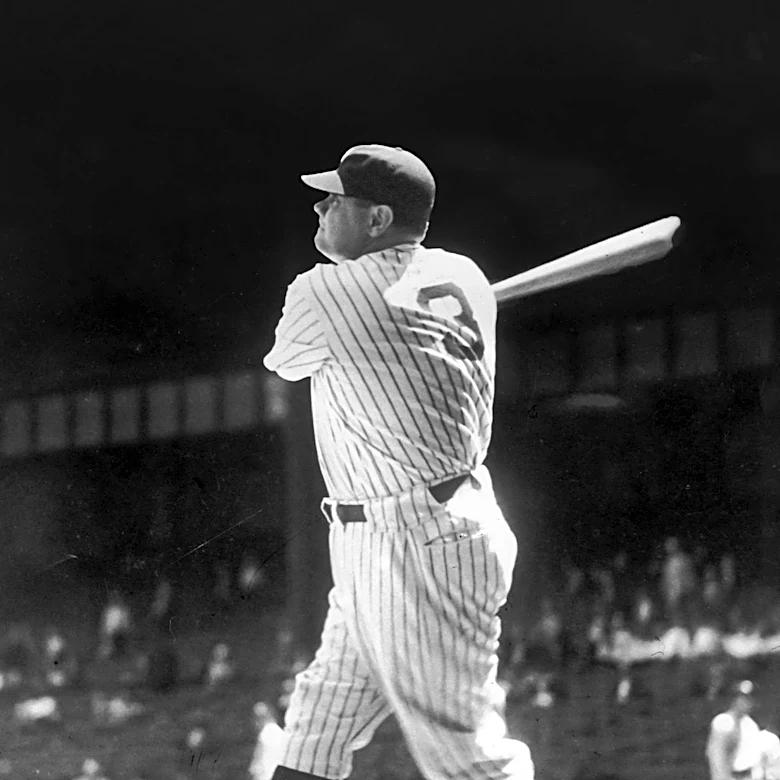


Lou Gehrig, known as the Iron Horse, was an iconic figure in American baseball, celebrated for his remarkable career with the New York Yankees. His legacy is not only defined by his athletic prowess but also by his character and resilience in the face of adversity. This article delves into Gehrig's career highlights and his enduring impact on the sport.
Early Career and Rise to Fame
Lou Gehrig's journey in baseball began with his impressive performance at Columbia University, where
he was a member of the Phi Delta Theta fraternity. His talent quickly caught the attention of the New York Yankees, leading to his debut in Major League Baseball. Gehrig's early years with the Yankees were marked by his consistent performance and dedication to the game.
Gehrig's reputation as a reliable player earned him the nickname "Iron Horse." He was known for his durability, playing in 2,130 consecutive games, a record that stood for decades. His ability to perform at a high level day in and day out made him a cornerstone of the Yankees' lineup.
Career Achievements and Legacy
Throughout his career, Lou Gehrig achieved numerous milestones that solidified his place in baseball history. He was a key player in the Yankees' success during the 1920s and 1930s, contributing to multiple World Series victories. Gehrig's batting prowess was evident in his impressive statistics, including a lifetime batting average of .340.
Gehrig's impact on baseball extended beyond his on-field achievements. His sportsmanship and integrity set a standard for future generations of players. The Lou Gehrig Memorial Award, established by the Phi Delta Theta fraternity, honors MLB players who exhibit Gehrig's character both on and off the field.
The Battle with ALS and Enduring Influence
In 1939, Lou Gehrig's career was tragically cut short by a diagnosis of Amyotrophic Lateral Sclerosis (ALS), a disease that would later bear his name. Despite his illness, Gehrig's courage and dignity in facing ALS left a lasting impression on the world.
Gehrig's legacy continues through the efforts of his wife, Eleanor Gehrig, who dedicated her life to promoting ALS research and preserving his memory. The establishment of the Eleanor and Lou Gehrig ALS Center at Columbia University is a testament to their enduring influence.
Lou Gehrig's story is one of triumph and tragedy, but his contributions to baseball and his unwavering spirit remain an inspiration to fans and players alike.