









Bernie Madoff was once a towering figure in the world of finance, known for his role as a former chairman of the Nasdaq stock exchange and the founder of Bernard L. Madoff Investment Securities. However, his legacy is forever tarnished by the largest Ponzi scheme in history, which defrauded investors of billions of dollars. This article explores the timeline of Madoff's financial career, from his early beginnings to the eventual collapse of his fraudulent
empire.
Early Beginnings and Career Development
Bernard Lawrence Madoff was born on April 29, 1938, in Brooklyn, New York. He grew up in a middle-class Jewish family and attended Far Rockaway High School. After graduating, Madoff briefly attended the University of Alabama before transferring to Hofstra University, where he earned a Bachelor of Arts in political science in 1960. He then briefly attended Brooklyn Law School but left to start his own business.
In 1960, Madoff founded Bernard L. Madoff Investment Securities LLC with $5,000 he had saved from working as a lifeguard and installing irrigation systems, along with a $50,000 loan from his father-in-law. Initially, the firm operated as a broker-dealer for penny stocks. Madoff's firm quickly grew, and he became known for using innovative computer technology to disseminate stock quotes, which eventually contributed to the development of the Nasdaq stock market.
The Growth of Madoff's Financial Empire
Madoff's firm expanded significantly over the years, becoming a major player in the financial industry. By 2008, it was the sixth-largest market maker in S&P 500 stocks. Madoff's reputation as a financial wizard attracted numerous investors, including individuals, charities, and institutions, who were drawn to the consistent and impressive returns promised by his investment advisory business.
Despite the public success of his brokerage firm, Madoff kept his asset management business low-profile and exclusive. This secrecy, combined with his reputation, allowed him to operate his Ponzi scheme undetected for decades. Madoff's scheme involved using new investors' funds to pay returns to earlier investors, creating the illusion of a profitable and legitimate business.
The Collapse of the Ponzi Scheme
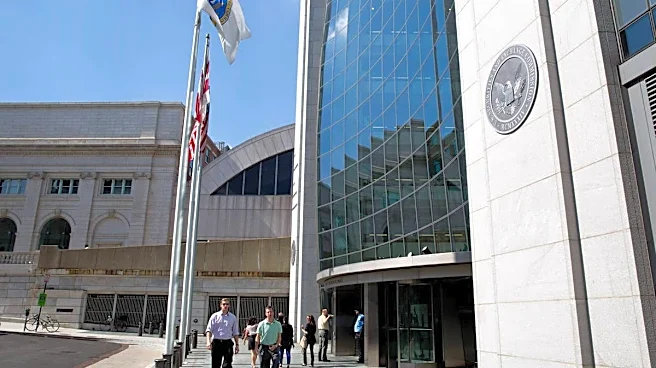
The unraveling of Madoff's scheme began in December 2008, when his sons, Mark and Andrew, reported to authorities that their father had confessed to them that his investment advisory business was a massive Ponzi scheme. Madoff was arrested the following day and charged with securities fraud. The U.S. Securities and Exchange Commission (SEC) had previously conducted multiple investigations into Madoff's business practices but failed to uncover the fraud.
In March 2009, Madoff pleaded guilty to 11 federal felonies, admitting to defrauding thousands of investors of billions of dollars. He was sentenced to 150 years in prison, the maximum sentence allowed. The collapse of Madoff's scheme had a devastating impact on his investors, many of whom lost their life savings. The Securities Investor Protection Corporation (SIPC) trustee estimated actual direct losses to investors at $18 billion, of which $14.829 billion has been recovered and returned.
Madoff's fraudulent activities not only destroyed his reputation but also had a profound impact on his family. His son Mark committed suicide in 2010, exactly two years after Madoff's arrest, and his other son Andrew died of lymphoma in 2014. Madoff himself died in prison in 2021, leaving behind a legacy of deceit and financial ruin.
The story of Bernie Madoff serves as a cautionary tale about the dangers of unchecked greed and the importance of regulatory oversight in the financial industry. His rise and fall highlight the need for transparency and accountability to prevent similar frauds from occurring in the future.