








The 1992 Landers earthquake was a pivotal event in the history of seismic activity in Southern California. While the immediate impact of the earthquake was significant, its aftermath and the subsequent seismic events it triggered have left a lasting legacy. The earthquake not only caused damage and loss of life but also influenced the understanding of seismic activity in the region and the behavior of fault systems.
Immediate Aftermath and Response
In the immediate aftermath of the Landers
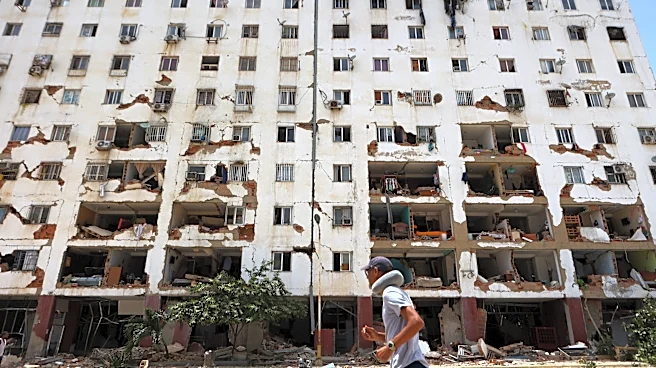
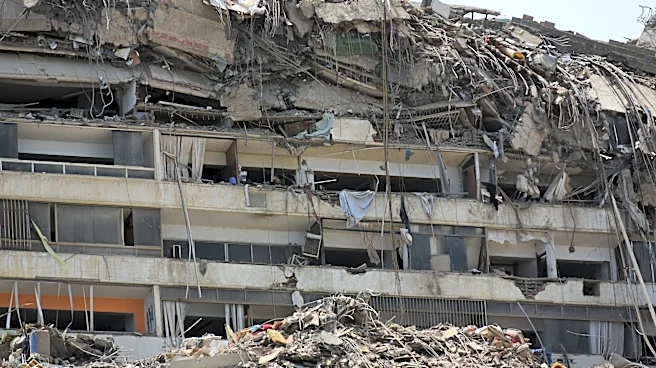
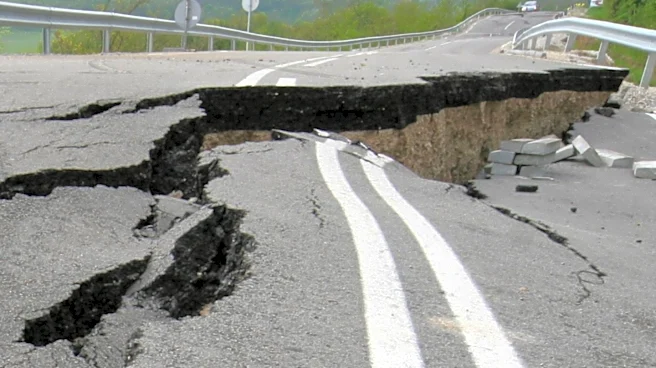
earthquake, emergency services and local authorities responded quickly to assess the damage and provide assistance to affected residents. The earthquake caused widespread power outages, but electricity was restored to most areas within a few hours. The damage to infrastructure, such as roads and buildings, was significant in the area surrounding the epicenter, but the remote location helped to limit the overall impact.
The earthquake also highlighted the importance of preparedness and the need for effective emergency response plans. The relatively low number of casualties, despite the earthquake's magnitude, was partly due to the preparedness of local communities and the quick response of emergency services.
Related Seismic Events
The Landers earthquake was part of a series of seismic events that occurred in the region around the same time. On the same day as the Landers earthquake, a magnitude 6.5 earthquake struck in Big Bear, initially thought to be an aftershock but later determined to be a separate event. The following day, a magnitude 5.7 earthquake occurred near Yucca Mountain, Nevada, possibly triggered by the Landers earthquake.
These related events are considered part of a regional seismic sequence, rather than a simple main shock and aftershock scenario. The interconnectedness of these events has provided valuable insights into the behavior of fault systems and the stress adjustments that occur in the Earth's crust.
Long-term Impact and Legacy
The Landers earthquake has had a lasting impact on the study of seismic activity in Southern California. It has contributed to a better understanding of the complex nature of fault systems and the potential for large earthquakes in the region. The earthquake also highlighted the importance of monitoring and studying seismic activity to improve preparedness and response strategies.
In the years following the Landers earthquake, research has continued to explore the long-term effects of the event and its influence on subsequent seismic activity. The earthquake has become a key case study in the field of seismology, providing valuable data and insights that continue to inform the understanding of earthquakes and their impact on communities.