





On July 17, 2014, Malaysia Airlines Flight 17 was shot down over eastern Ukraine, resulting in the tragic loss of all 298 people on board. This catastrophic event occurred during the ongoing conflict in the Donbas region, where tensions were high between Ukrainian forces and pro-Russian separatists. The incident not only shocked the world but also raised significant questions about air travel safety in conflict zones.
The Flight and Its Route
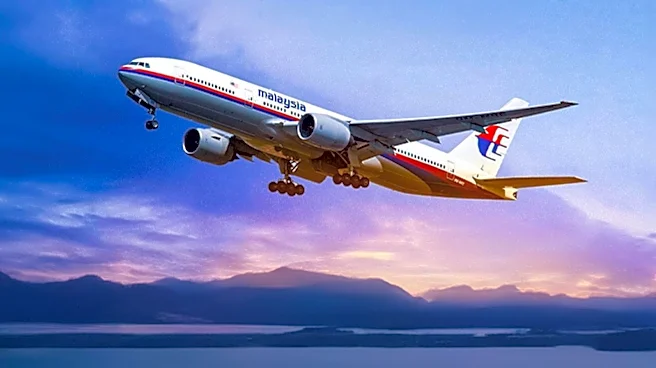
Malaysia Airlines Flight 17, also
known as MH17, was a scheduled international passenger flight from Amsterdam's Schiphol Airport to Kuala Lumpur International Airport. The aircraft, a Boeing 777-2H6ER, was carrying 283 passengers and 15 crew members. The flight was operated by Malaysia Airlines, a well-known carrier with a reputation for safety and reliability.
The flight path of MH17 took it over eastern Ukraine, a region embroiled in conflict at the time. Despite the ongoing war in Donbas, the airspace was not closed to commercial flights, and many airlines continued to use this route. Unfortunately, this decision proved fatal for those aboard MH17.
The Incident and Immediate Aftermath
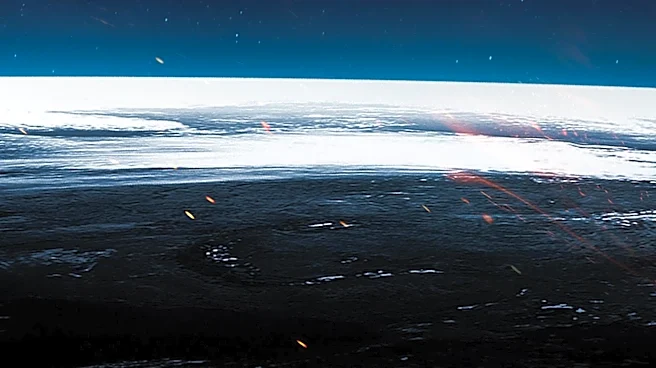
On that fateful day, MH17 lost radar contact and crashed near the village of Hrabove in Donetsk Oblast, Ukraine. All 298 people on board perished in the crash. Initial reports and suspicions pointed to the aircraft being shot down by a ground-to-air missile. Ukrainian authorities quickly accused pro-Russian separatists of firing the missile, a claim that was supported by evidence gathered in the following investigations.
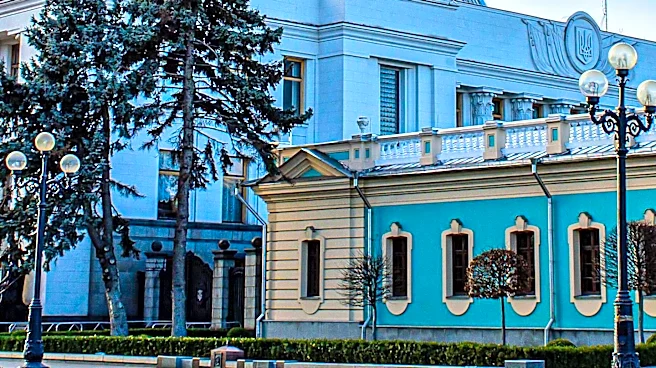
The Ukrainian President, Petro Poroshenko, labeled the incident an "act of terrorism." The crash site was in a conflict zone, which complicated the recovery and investigation efforts. Despite these challenges, the Dutch Safety Board led an investigation to determine the cause of the crash.
Investigation and Findings
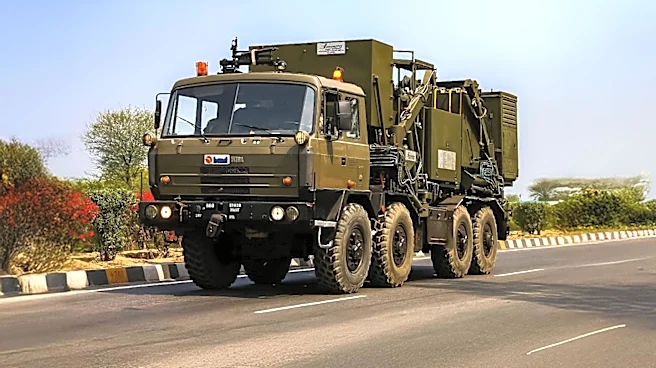
The investigation into the downing of MH17 faced numerous obstacles, primarily due to the ongoing fighting in the region. However, by October 2018, Dutch investigators concluded that the plane was destroyed by a Russian-made BUK surface-to-air missile. This finding confirmed earlier suspicions and pointed to the involvement of pro-Russian forces in the tragedy.
The downing of MH17 had far-reaching implications, not only for the families of the victims but also for international relations and aviation safety. It highlighted the dangers of flying over conflict zones and led to increased scrutiny of airspace management in such areas. The incident remains a somber reminder of the risks associated with geopolitical conflicts and their impact on innocent civilians.