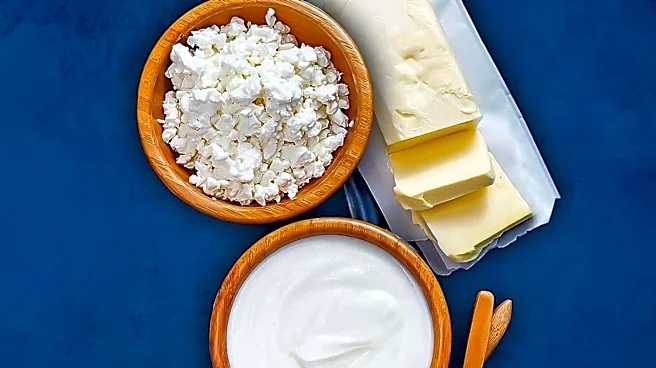








Cream is a versatile and beloved dairy product that plays a significant role in culinary traditions around the world. Derived from milk, cream is known for its rich texture and high butterfat content, making it a staple in both sweet and savory dishes. This article delves into the composition, production methods, and various types of cream available to consumers.
The Composition and Production of Cream
Cream is essentially the higher-fat layer skimmed from the top of milk before the milk undergoes
homogenization. This process allows the less dense butterfat to rise to the top, where it can be collected. In traditional settings, this is known as gravity cream. However, in industrial production, centrifugal separators are used to efficiently separate the cream from the milk, resulting in what is known as separator cream.
The butterfat content in cream can vary significantly, which is why cream is often sold in different grades. These grades are defined by their butterfat content, ranging from light cream to heavy cream. The higher the butterfat content, the richer and thicker the cream, which influences its culinary uses. For instance, heavy cream, with its high butterfat content, is ideal for whipping and creating rich sauces.
Varieties of Cream Around the World
Cream is not a one-size-fits-all product; it comes in various forms and flavors depending on regional preferences and culinary traditions. In Central and Eastern Europe, smetana is a popular type of cream that can be sweet or sour, with a milk fat content ranging from 15% to 40%. This cream is often used in cooking and as a condiment.
In Norway, rjome or rømme is a type of sour cream containing about 35% milk fat, similar to the Icelandic sýrður rjómi. These creams are integral to many traditional dishes and are prized for their tangy flavor and creamy texture. In the United Kingdom, clotted cream is a specialty made by slowly heating whole milk to produce a very high-fat product, similar to Indian malai. This cream is famously served with scones and jam.
The Role of Cream in Culinary Applications
Cream's high butterfat content makes it a versatile ingredient in the kitchen. It is used to add richness and depth to sauces, soups, and desserts. Whipped cream, a popular topping for desserts, is made by beating heavy cream until it becomes light and fluffy. This transformation is possible due to the cream's high fat content, which stabilizes the air bubbles formed during whipping.
In addition to its use in sweet dishes, cream is also a key ingredient in savory recipes. It can be used to create creamy pasta sauces, enrich soups, and balance the acidity in tomato-based dishes. The versatility of cream makes it an indispensable ingredient in many cuisines, highlighting its importance in both traditional and modern cooking.
In conclusion, cream is a dairy product with a rich history and a wide range of applications. Its various forms and flavors reflect the diverse culinary traditions around the world, making it a beloved ingredient in kitchens everywhere.