




WBNB-TV holds a significant place in the history of broadcasting in the U.S. Virgin Islands. As the first television station in the region, it played a pivotal role in bringing television to the islands. This article explores the journey of WBNB-TV from its establishment in 1961 to its unfortunate closure in 1989, highlighting key milestones and challenges along the way.
The Birth of WBNB-TV
WBNB-TV was established in 1961, marking a new era in the U.S. Virgin Islands'
media landscape. The station was founded by Robert Noble and Robert Moss, two radio men from the New York City area. They secured the construction permit in 1960 and shared ownership under Island Teleradio Service, Inc. The station's call sign, WBNB, was derived from the founders' names, "Bob and Bob." Initially, WBNB-TV was affiliated with CBS and NBC, with CBS being the primary affiliate. It also carried programs from National Educational Television, the predecessor to PBS.
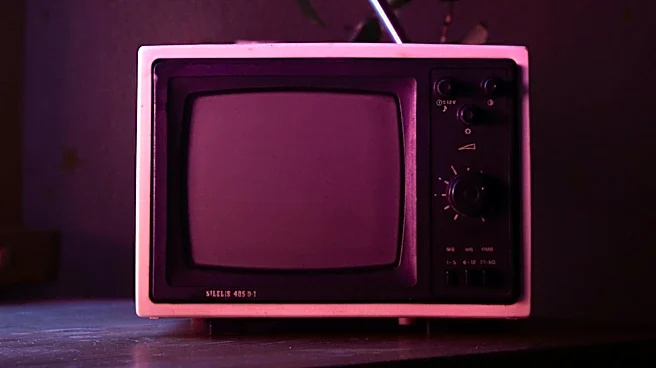
The station began operations on July 22, 1961, and quickly became a staple in the Virgin Islands' households. In 1968, WBNB-TV introduced color broadcasting, further enhancing the viewing experience for its audience. This move was part of a broader trend in television, as color broadcasts became more prevalent across the United States.
Ownership Changes and Challenges
In 1970, the original partnership between Noble and Moss ended when the WBNB stations were split. Channel 10, WBNB-TV, was sold to a U.S. mainland-based operator, marking the first of several ownership changes. Bob Noble retained sole ownership of the radio outlet, purchasing the remaining shares from Bob Moss and other minority partners.
Despite these changes, WBNB-TV continued to operate as a CBS affiliate. However, the station faced financial challenges, particularly after being acquired by Benedek Broadcasting in 1986. Benedek struggled to maintain the station's operations, which would later contribute to its downfall.
The Impact of Hurricane Hugo
The final blow to WBNB-TV came in 1989 when Hurricane Hugo devastated the U.S. Virgin Islands. The hurricane destroyed the station's studios and transmitter facilities, knocking it off the air. Benedek Broadcasting, lacking the financial resources to rebuild, left the station "dark," a term used in television to indicate a station is off the air.
Although the station's broadcast license remained active until 1995, the Federal Communications Commission eventually forced Benedek to surrender the license due to abandonment. This marked the end of WBNB-TV's nearly three-decade-long presence in the Virgin Islands.
WBNB-TV's legacy lives on as a pioneer in Virgin Islands broadcasting, remembered for its role in introducing television to the region and its contributions to local media history.