




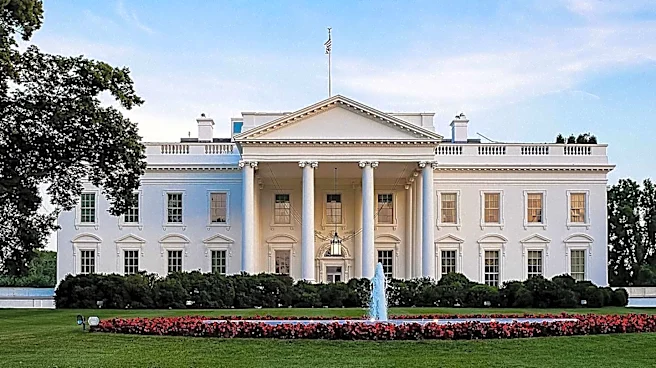

The White House State Ballroom is a significant planned expansion of the White House complex, set to replace the former East Wing. Announced in 2025, this project aims to create a grand venue for formal events, with a seating capacity far exceeding that of the existing East Room. The initiative, spearheaded by President Donald Trump, is privately funded and has sparked considerable debate.
The Need for Expansion
The White House has long been a center for state dinners and
formal events, traditionally held in the East Room. However, the East Room's limited seating capacity of 200 has often necessitated the use of temporary tents for larger gatherings. These tents, while functional, were described by Trump as lacking aesthetic appeal. The new ballroom, with a planned capacity of 999 seats, aims to address this limitation by providing a more permanent and visually appealing solution.
The ballroom's design reflects a desire to enhance the White House's ability to host large-scale events. By offering a dedicated space for such occasions, the project seeks to elevate the prestige and functionality of the White House as a venue for international diplomacy and domestic celebrations.
Funding and Construction
The construction of the White House State Ballroom is notable for its funding model. Unlike typical government projects, this expansion is privately funded by Trump, other wealthy donors, and private companies. The estimated cost of the project is $250 million, with completion targeted before the end of Trump's presidential term in 2029.
This approach to funding has raised questions about potential conflicts of interest and the influence of private donors on public projects. Despite these concerns, the project has moved forward, with construction beginning in September 2025. The decision to bypass congressional approval has also been a point of contention, as it challenges traditional processes for government building projects.
Controversies and Criticisms
The White House State Ballroom project has faced significant criticism, particularly regarding the demolition of the East Wing. Critics argue that the project does not respect preservation laws and bypasses necessary approvals from Congress. The large size and design of the new building have also been points of debate, with some questioning the necessity and impact of such a substantial addition to the historic White House complex.
Despite these controversies, the project continues to progress, driven by a vision of enhancing the White House's capacity for hosting major events. The ballroom represents a bold step in reimagining the White House's role as a venue for state functions, though it remains to be seen how these changes will be received by the public and historians alike.