




The 2012-13 National Hockey League (NHL) lockout profoundly disrupted the league's schedule, leading to widespread game cancellations and a significantly altered season. What was originally planned as a full 82-game season, commencing in October, was instead delayed by several months, resulting in a condensed schedule and the loss of major annual events. This period of labor unrest, which began on September 15, 2012, and concluded on January 19, 2013,
left an indelible mark on the NHL calendar.
Extensive Cancellations and Delayed Start
The lockout's immediate effect was the cancellation of all games until January 14, 2013. This included the highly anticipated 2013 NHL Winter Classic, a marquee outdoor event, and the NHL All-Star Weekend, both significant fixtures in the league's annual schedule. The original start date for the 2012-13 season, October 11, 2012, was pushed back considerably, creating uncertainty for fans and players alike.
Ultimately, the season did not commence until January 19, 2013. This delay meant that a substantial portion of the regular season was lost. The lockout, which was caused by the expiration of the 2005 NHL Collective Bargaining Agreement and a stalemate over financial terms, forced the league to drastically reconfigure its plans, impacting everything from preseason games to the championship playoffs.
A Shortened and Unique Season Format
When the new collective bargaining agreement was finally ratified on January 9, 2013, it paved the way for a shortened 48-game season. This was a significant reduction from the usual 82 games per team, meaning 41.5 percent of the full regular season was canceled. The condensed schedule, which ran from January 19, 2013, to April 28, 2013, necessitated a unique format.
To accommodate the reduced number of games, the league implemented a schedule with no inter-conference games. Each team played 18 games within its own division, facing each divisional opponent four or five times. Additionally, teams played 30 games against opponents in the other division within their conference, with three games against each of those teams. This intra-conference-only play was a direct consequence of the lockout, designed to maximize competitive play within a limited timeframe.
Player Movement and Post-Lockout Adjustments
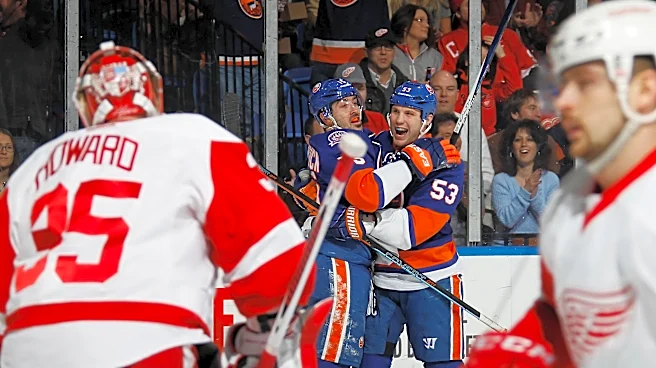
During the lockout, some NHL players opted to sign contracts to play in European leagues, seeking to maintain their form and earn income during the dispute. While most players returned to their NHL teams once the lockout ended, there were instances of complications. For example, Lubomir Visnovsky was the only player who did not immediately report to his NHL team, the New York Islanders, for the delayed start of the season, leading to his suspension by the team. His agent later confirmed he would report by February 11.
The delayed start also pushed back the entire playoff schedule. The 2013 Stanley Cup playoffs did not begin until April 30, with the latest possible date for Game 7 of the Stanley Cup Final scheduled for June 28. This compressed timeline and the unique regular season structure were direct and lasting effects of the 2012-13 NHL lockout, reshaping a season that would otherwise have followed a traditional format.